Medical chemical peel
A chemical peel uses an acid solution to make the outer layer of skin peel away, so smoother, more even skin grows back. A dermatologist chooses the type and depth for your skin, which matters for Asian skin that marks easily after inflammation.
- Examined by
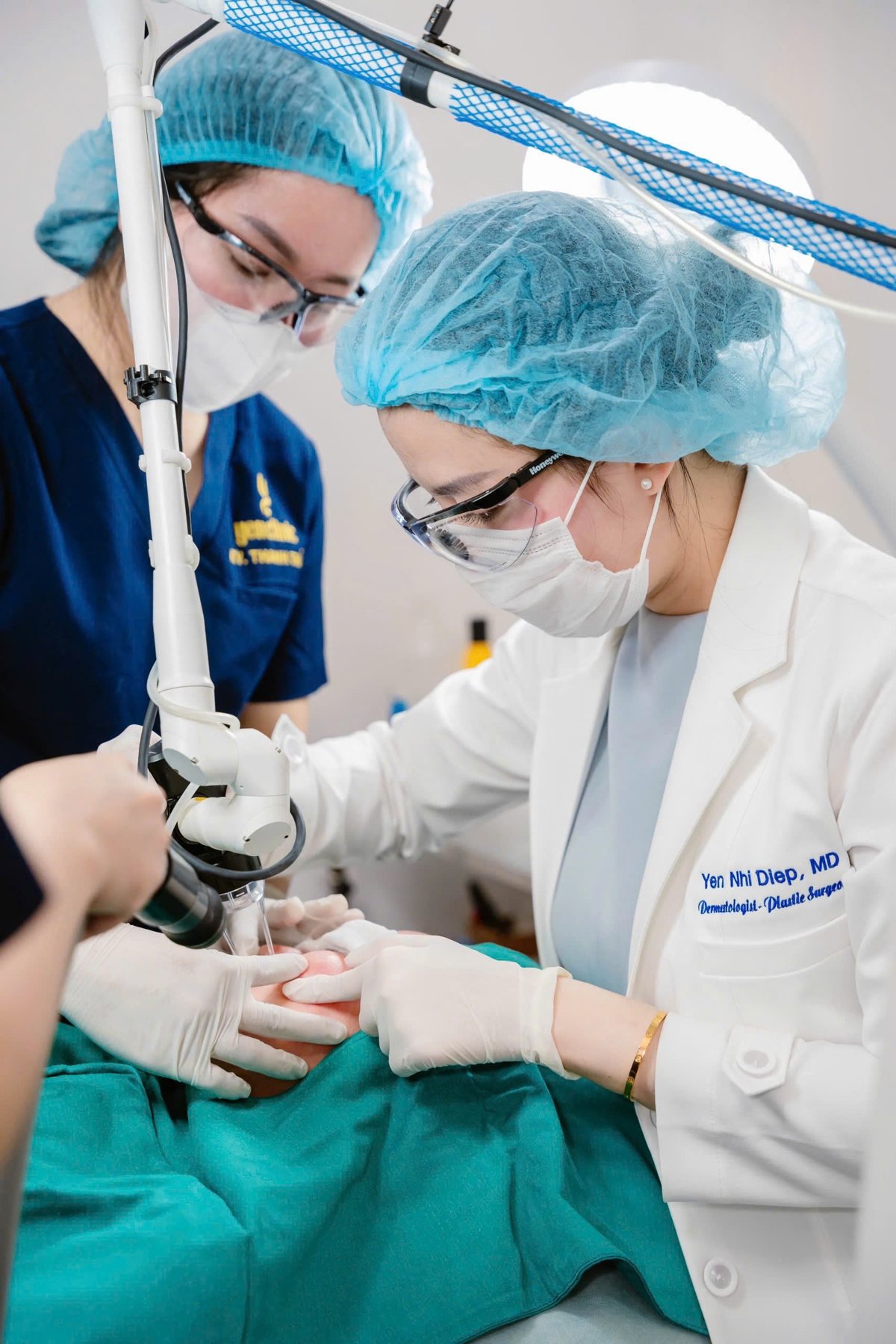
- Dr Diep Yen Linh, Dr Diep Yen Nhi
- Peel depths
- Superficial, medium, deep
- Clinics
- Tan Phu and District 1, Ho Chi Minh City

The doctor chooses the depth for your skin
The same acid at a different strength or contact time gives a different result. Asian skin marks easily after inflammation, so we examine and prepare the skin first, then choose the peel.
- Dr Diep Yen Linh, MSc, Specialist Level I
- MSc in Dermatology, University of Medicine and Pharmacy at Ho Chi Minh City.
- Dr Diep Yen Nhi, MSc, Specialist Level I
- MSc in Dermatology; Dermatologic Surgery Fellow at Yonsei University, Severance Hospital; International Fellow, ASDS.
- Specialist doctors
- Doctors with a master’s degree or Specialist Level I qualification in dermatology and plastic surgery.
What is a chemical peel, and what can it improve?
A chemical peel applies an acid solution to the skin for a controlled time. The outer layer is deliberately injured and peels off, and new skin grows back smoother and more even in tone. The American Academy of Dermatology (AAD) notes that dermatologists use peels to treat some types of acne and conditions that discolour the skin, such as melasma and uneven skin tone.
Our guide what is a chemical peel explains each peel depth, the side effects, aftercare and at-home peels in more detail.
Peels are grouped by how deep the solution reaches:

| Depth | Reaches | Common agents | Used for | Sessions |
|---|---|---|---|---|
| Superficial | Epidermis | Glycolic acid (AHA), salicylic acid (BHA), Jessner’s solution, low-strength TCA | Acne, dark marks, dullness, uneven tone | Often 3–12 times, every week |
| Medium | Papillary dermis | TCA around 35%, sometimes with Jessner’s or 70% glycolic | Melasma, brown spots, shallow acne scars, fine lines | Repeat after 2 weeks if needed |
| Deep | Reticular dermis | Phenol | Severe sun damage, deep wrinkles, scars | 2-3 weeks |
Even the deepest peel stops in the dermis; it does not reach the fat layer below. The deeper the peel, the stronger the result, but healing takes longer and the risks rise, so for Asian skin doctors usually start with superficial peels.
Chemical peels at Yen
The doctor chooses the peel after examining you, based on your skin concern and how well your skin tolerates treatment.
-
01 · Superficial
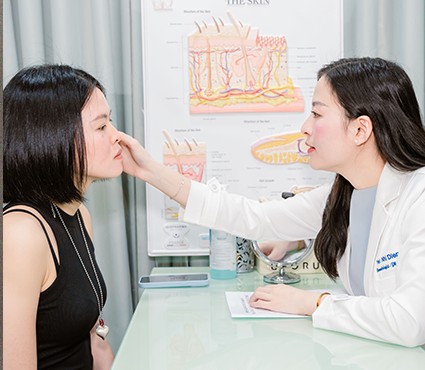
Activation peel
A superficial peel to brighten and even out skin tone, often used to prepare the skin for other treatments or for maintenance.
-
02 · Acne-prone skin
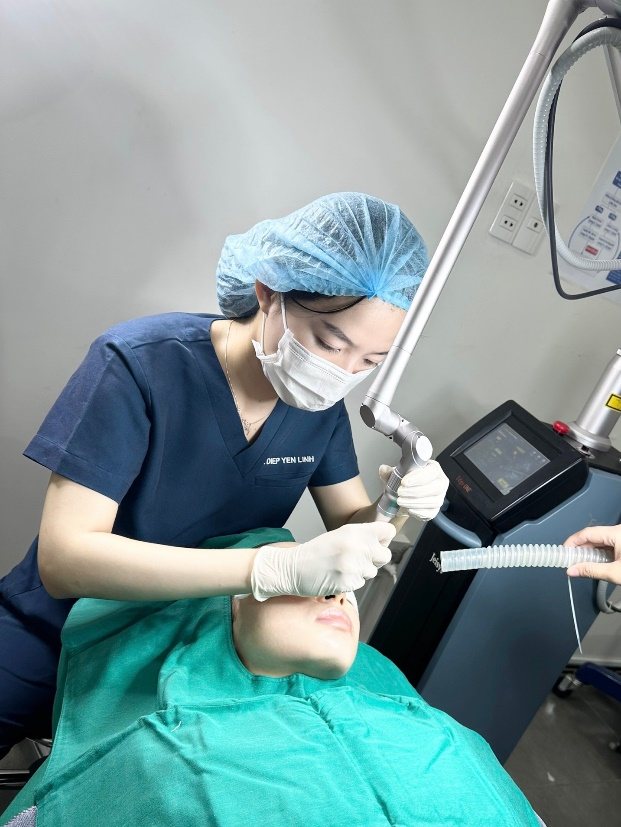
European algae peel, TCA + retinol peel
The algae peel combines glycolic and lactic acid with algae extract and is gentler on sensitive, acne-prone skin. The TCA peel with retinol helps unclog pores and is used alongside medication in an acne plan.
-
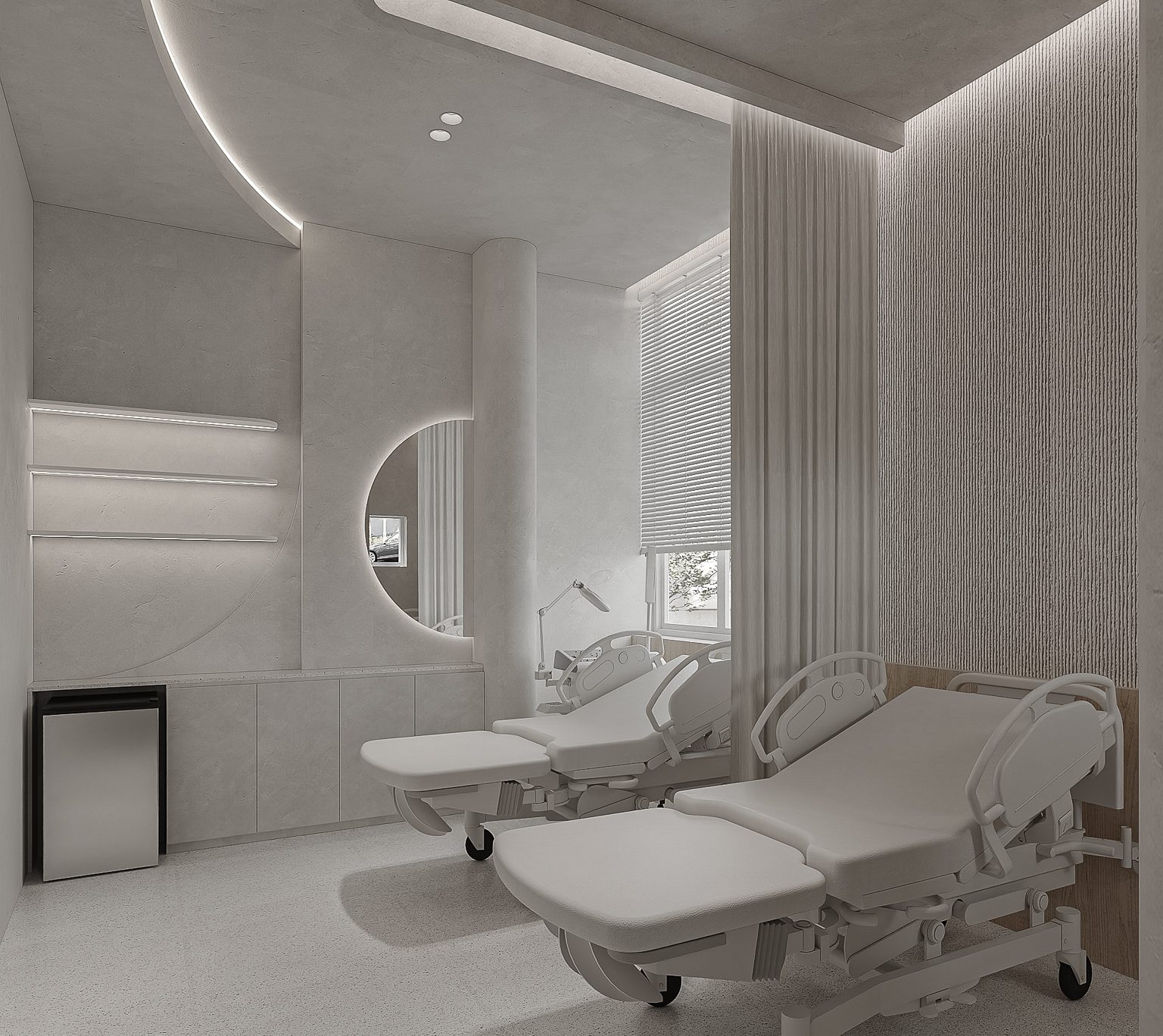
03 · Medium
TCA-phenol peel at controlled strength
For melasma, brown spots and shallow acne scars. The strength and contact time are set by the doctor for each person.
-

04 · Deep
Deep peel
A selective option for sun damage, deep wrinkles and scars. Deep peels usually use phenol, which is absorbed into the bloodstream and can cause heart rhythm problems, so the doctor checks your health first and monitors you closely.
- Peels do not replace medication
- For acne and melasma, a peel is a supporting step. Prescription creams or tablets and sun protection remain the base of treatment.
Who a chemical peel suits, and who should wait
Peels are commonly used for: blackheads and mild to moderate acne (salicylic peels reduce both comedones and inflamed spots), superficial post-acne marks, melasma, dull or uneven skin, shallow acne scars, large pores and mild sun damage.
Wait, or tell your doctor first, if you
- Take or recently took isotretinoin: medium and deep peels are usually avoided for at least 6–12 months after stopping
- Are pregnant: no medium or deep peels. Breastfeeding: ask your doctor
- Get cold sores (herpes): you will be given preventive medication before the peel
- Form keloid or raised scars easily
- Have inflamed, irritated or infected skin, or recent laser or facial surgery
- Have heart, liver or kidney disease: no phenol deep peel
Peeling Asian skin safely
Asian skin is in the higher-risk group for darkening after a peel (post-inflammatory hyperpigmentation). Doctors therefore favour superficial peels, avoid deep peels unless really needed, and prepare the skin for 2–4 weeks beforehand with prescription creams such as hydroquinone or a retinoid. Testing a small area and raising the strength gradually over sessions also helps.
Peel, laser or microneedling?
| Concern | Usually first |
|---|---|
| Blackheads, mild acne | Creams + salicylic peel. See acne treatment |
| Melasma, dull skin | Prescription creams and sunscreen; superficial peels or low-energy laser as support. See melasma treatment |
| Freckles, well-defined brown spots | Pigment laser. See laser freckle removal |
| Acne scars | Subcision, CO2 laser, TCA CROSS; peels only help very shallow scars. See acne scar treatment |
A peel course at Yen
Consultation
The doctor checks your skin, medicines, history of cold sores or keloids, and gives you a quote.
Skin preparation
Prescription creams for 2–4 weeks if your skin marks easily; stop exfoliating before the peel as advised.
The peel
Cleansing, protecting the eyes and lips, applying the solution while watching how the skin reacts, then neutralising or rinsing.
Follow-up
A review visit, adjusting strength for the next session; maintenance with creams and sunscreen.
After a peel: what to expect and how to care for your skin
Recovery times from the AAD, and what to do and avoid.
What your skin looks like after a peel
Superficial peel: redness and light flaking for about 1–7 days; most people carry on as normal.
Medium peel: redness and some swelling, then the skin darkens, crusts and peels off over about 7–14 days. Around day 3 the skin often looks tight and darker before it starts to peel.
Deep peel: about 2–3 weeks of home recovery; redness can last months, and strict sun avoidance is needed for 3–6 months.
Caring for your skin after a peel
Do not pick or peel the skin. Picking delays healing and can cause scarring.
Moisturise with the product your doctor recommends.
Strict sun protection with a broad-spectrum sunscreen every day and cover up outdoors; no tanning beds.
Stop retinoids (tretinoin, retinol) until your doctor says you can restart.
When to contact the doctor
If your skin burns more and more, itches, swells, oozes, or develops cold-sore-like blisters. Bacterial, fungal or herpes infection and scarring are possible complications and should be treated early.
If you are visiting Ho Chi Minh City
A superficial peel fits a short stay. For medium or deep peels, plan time for the skin to heal before beach days and flights: the US CDC Yellow Book, citing the American Society of Plastic Surgeons, recommends waiting 7–10 days after facial laser or cosmetic procedures before flying.
How much does a chemical peel cost?
Chemical peels from VND 5,000,000 per session
| Peel at Yen | Per session (VND) | Approx. US$ |
|---|---|---|
| Activation peel | 5,000,000 | 192 |
| Algae peel, moderate acne | 5,000,000 | 192 |
| Algae peel, severe acne | 6,000,000 | 231 |
| TCA-phenol peel (medium–deep) | 7,000,000 | 269 |
| Retinol peel for acne | 8,000,000 | 308 |
| Deep peel | 80,000,000 – 100,000,000 depending on skin; second session 50,000,000 | 3,078 – 3,848; second 1,924 |
The doctor gives a quote and the expected number of sessions after the first consultation. US dollar figures use the Vietcombank selling rate of VND 25,990 per US$1 on 23 November 2026, rounded.
Why do prices vary so much? The public Ho Chi Minh City Hospital of Dermato-Venereology lists glycolic peels at VND 1,500,000 (20–35%) and VND 1,700,000 (70%) per session, about US$58–65 (public price list, checked 24 November 2026). At Yen, the doctor examines you and chooses the type and depth of peel; skin that marks easily is prepared with prescription creams first, and there is a follow-up visit. Medium and deep peels need closer monitoring, so they cost more than superficial ones.
Frequently asked questions
Questions people ask us in English, including visitors to Ho Chi Minh City.
What can a chemical peel improve?
Acne and blackheads, post-acne marks, melasma and uneven skin tone, dullness, large pores, fine lines from sun damage and very shallow acne scars. Deep scars and deep wrinkles usually need other treatments or a deep peel.
How much should a chemical peel cost?
In Ho Chi Minh City, superficial peels range from about VND 1,500,000 (US$58) at the public dermatology hospital to several million dong at private clinics. At Yen, peels start from VND 5,000,000 (about US$192) per session; deep peels start from VND 80,000,000. Compare what each price includes: who performs it, skin preparation and follow-up.
Are chemical peels good for your skin?
When the right peel is chosen for your skin and done at sensible intervals, peels can improve acne, pigmentation and texture. Risks rise with depth, and darker skin is more prone to dark marks, so a dermatologist should choose the strength.
What does your face look like 3 days after a chemical peel?
After a superficial peel, usually slightly pink with light flaking. After a medium peel, the skin around day 3 often looks tight, darker or brownish before it crusts and peels over the following days. Do not pick it.
Does a chemical peel hurt?
Superficial peels usually sting or feel warm for a few minutes. Medium peels burn more and can swell for a few days. Deep peels need pain control, numbing and close monitoring.
How often can I have a chemical peel?
Superficial peels are often done 3–5 times, every 2–5 weeks. Medium peels are usually repeated no sooner than 3–6 months. A deep peel is usually done once.
Can I do a chemical peel at home?
The AAD warns that some peels sold for home use have caused serious injuries and advises that peels be done under the supervision of a dermatologist. Ask your doctor before using home peels, especially if you use acne medication.
Can I have a peel if I take isotretinoin or am pregnant?
After isotretinoin, waiting at least 6–12 months is usually advised before medium or deep peels. During pregnancy, medium and deep peels are avoided. If you are breastfeeding, ask your doctor first.
References8AAD · DermNet · PMC · CDC
- American Academy of Dermatology (AAD)Chemical peels: Overview
- American Academy of Dermatology (AAD)Chemical peels: FAQs
- American Academy of Dermatology (AAD)Chemical peels: Preparation
- DermNetChemical peels
- J Clin Aesthet DermatolRendon MI et al. Evidence and considerations in the application of chemical peels in skin disorders and aesthetic resurfacing (2010)
- Clin Cosmet Investig DermatolCastillo DE, Keri JE. Chemical peels in the treatment of acne: patient selection and perspectives (2018)
- CDC Yellow BookMedical tourism
- Ho Chi Minh City Hospital of Dermato-VenereologyService price list (checked 24 Nov 2026)
Treatment plans: Yen Clinic doctors. Results vary with each person’s skin. The information on this page is for reference only and does not replace a diagnosis by a doctor.