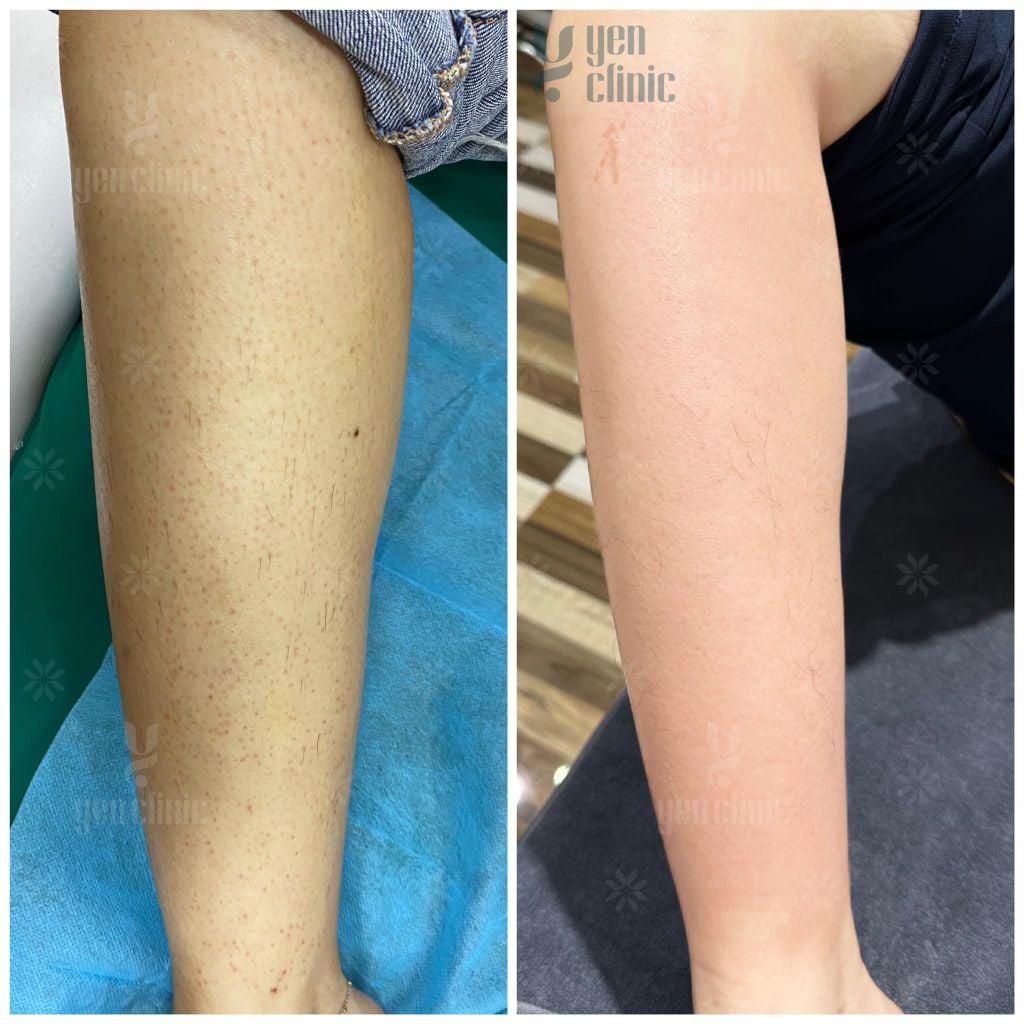
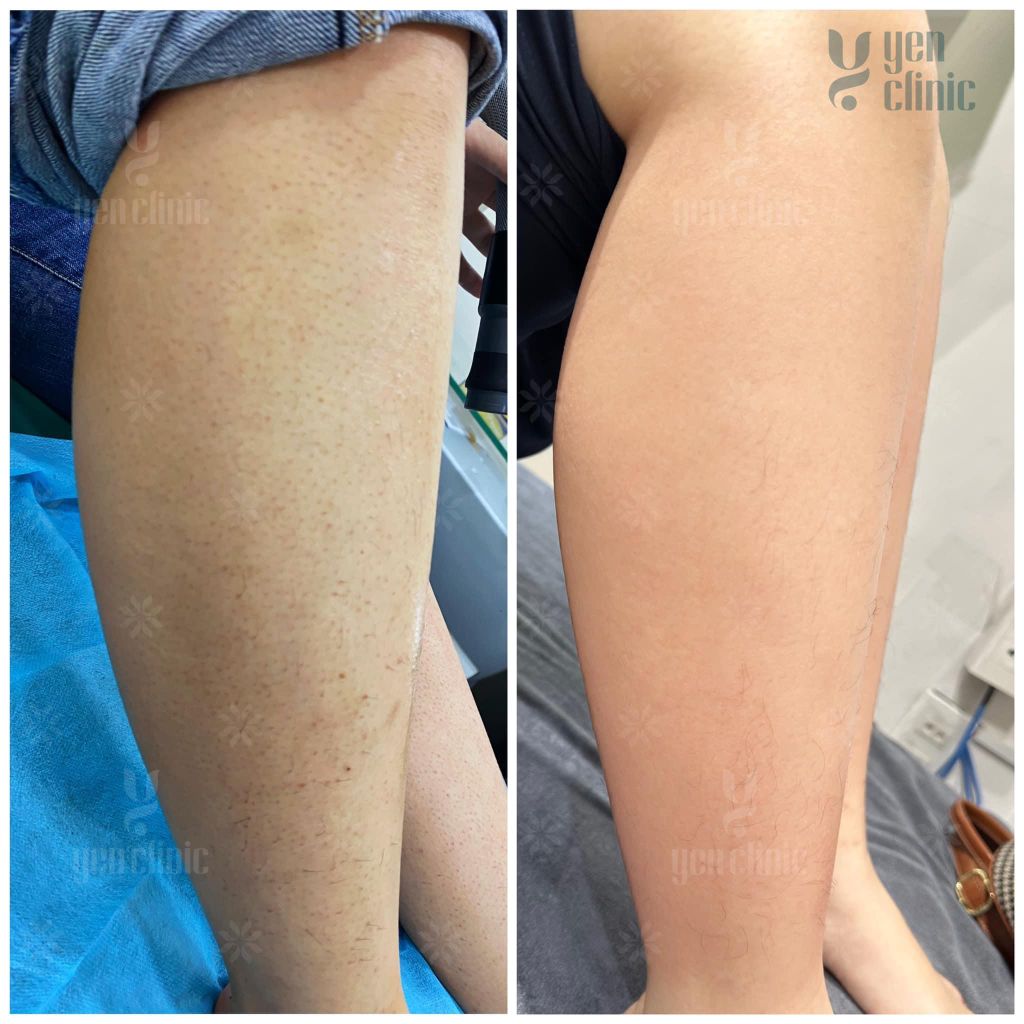
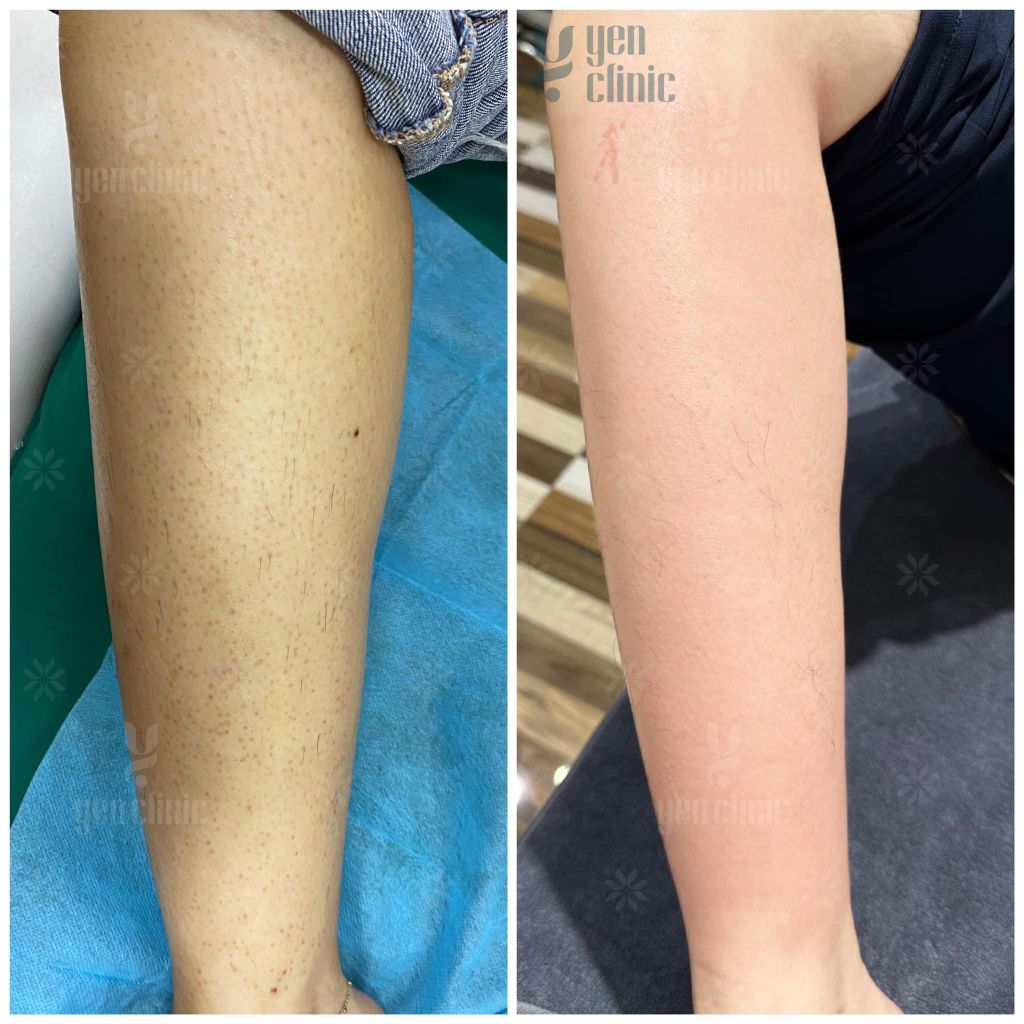
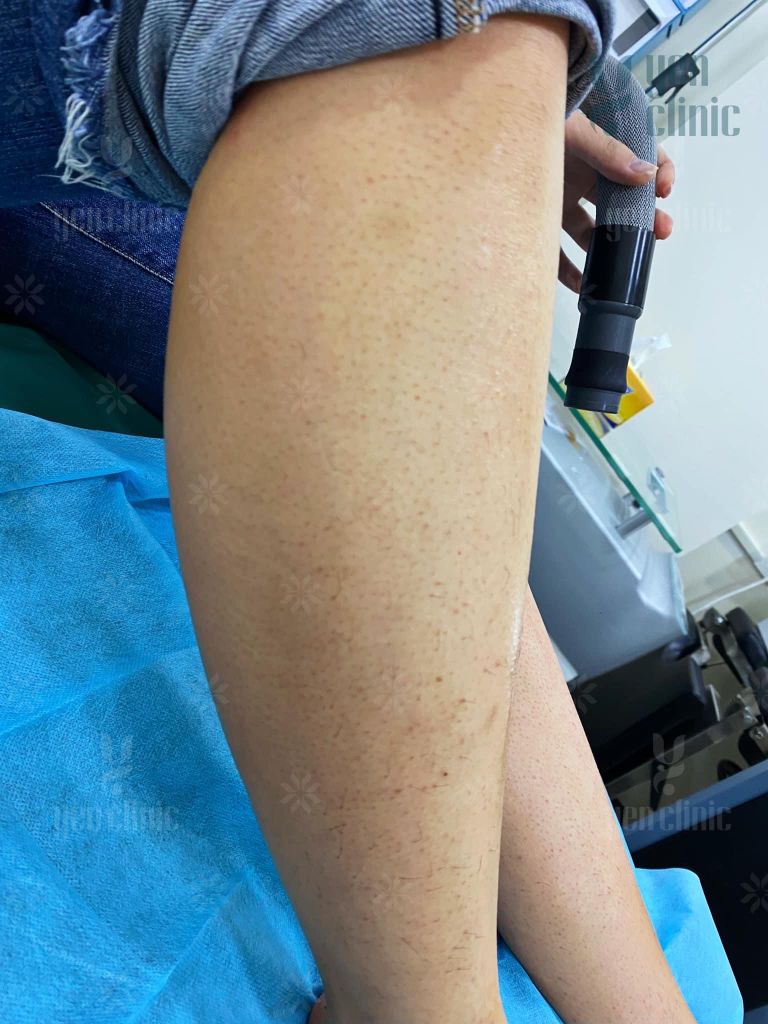
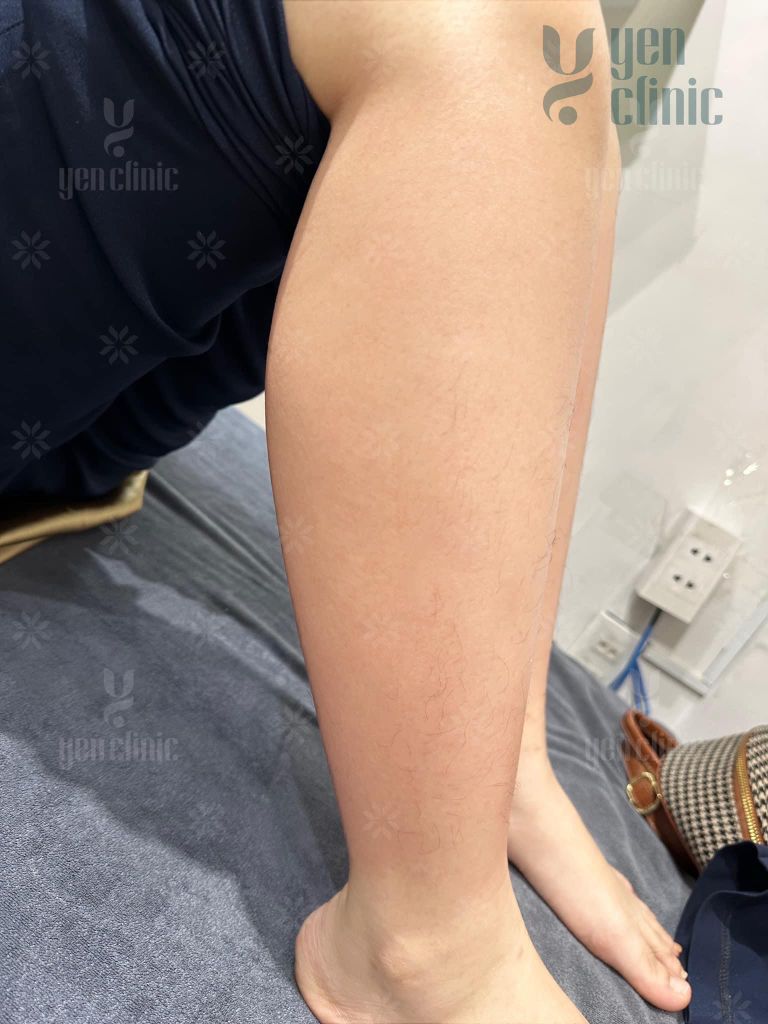
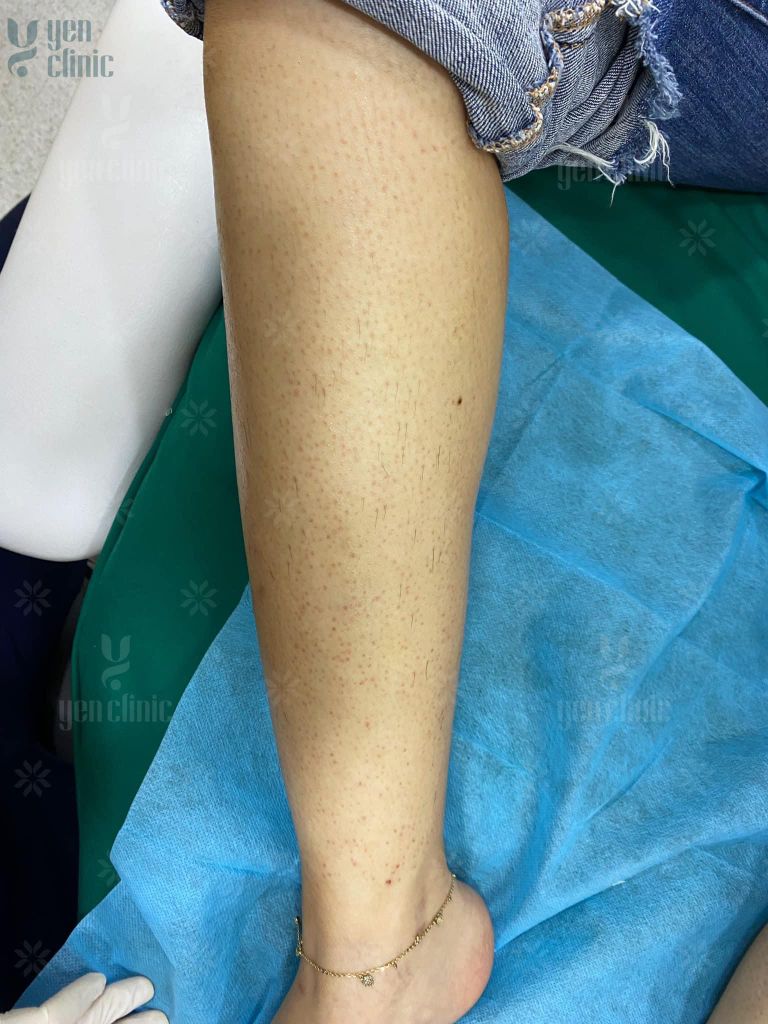
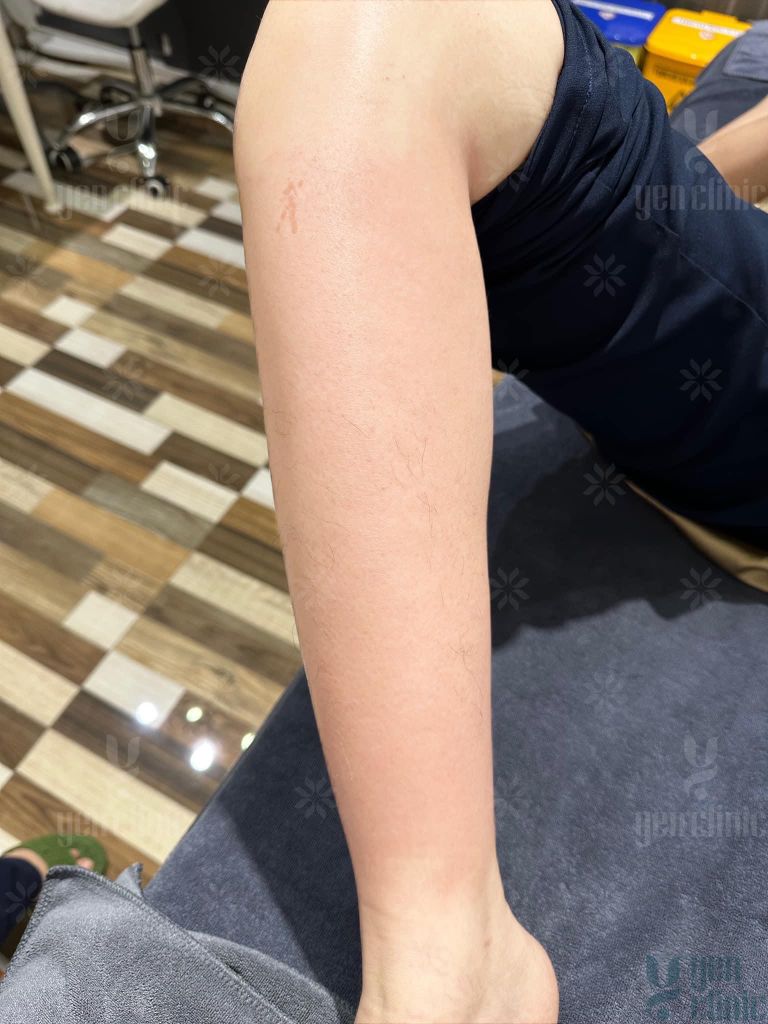
KERATOSIS PILARIS (𝐊𝐏)
Can it be cleared completely?
Dr Diep Yen Linh – Dr Diep Yen Nhi
Keratosis pilaris (KP) is often called “chicken skin” because the affected skin is rough and bumpy, like persistent “goosebumps”. KP typically appears as bumps of varying size (1 to 3 mm), slightly darker in colour, each papule covering a hair follicle. KP usually appears on the upper arms and thighs, between the ages of 14 and 25. It can also spread to the upper back, buttocks and shoulders and, in some rare cases, can appear on the cheeks as red (erythematous) patches, usually in young children and teenagers. About 50% of children and 40% of adults have KP (equally common in males and females).
KP is thought to be hereditary. It is a chronic condition that cannot be cured, but it can be well controlled over the long term with regular topical treatment. Although KP usually causes no symptoms, patients often tend to scratch or pick at it to get rid of it, which makes the condition worse and may cause scarring and hyperpigmentation. Without treatment, the condition usually lasts for many years and may gradually fade at some point in life, although it can also come back.
Causes of keratosis pilaris:
No one knows the exact cause of KP. However, most experts believe it results from a combination of genetic factors, dry skin, hypersensitivity reactions and friction.
KP is also a skin manifestation of many genetic syndromes, such as the neuro-cardio-facial-cutaneous syndromes, ectodermal dysplasias and neurodevelopmental disorders. Some systemic medications, including ciclosporin, targeted B-Raf inhibitors and tyrosine kinase inhibitors, can cause widespread “KP-like” flare-ups. [1]
The most common triggers of KP in susceptible people include:
• Constant friction on the skin from rough, tight clothing (shirts, jeans)
• Too much exposure to hot baths and showers
• Over-aggressive exfoliation (often scrubbing with a loofah)
Clinically, these factors can stimulate hyperkeratosis and a build-up of keratin around the pores, producing the individual bumps of KP. Along with hyperkeratosis, examining the lesions under the microscope shows thickened, hyperkeratotic skin and plugged hair follicles. The tiny blood vessels may also become dilated, making the skin red. The redness is also caused by inflammation in the plugged follicles themselves.[2]
Treating keratosis pilaris
Treating KP involves screening for and removing any triggering factors and following a regular topical treatment routine. The goals of KP treatment are to clear the surface layer of keratin, remove the build-up of hypertrophic keratinocytes, restore normal surface keratinisation and restore the skin’s barrier function. On these areas, the more consistently treatment is applied in the morning and evening, the more reactions such as redness and peeling there will be, and the faster the patient will improve. With appropriate treatment, patients will achieve healthy, smooth skin.
#yenclinic #phongkhamchuyenkhoathammyyenclinic #empoweryourbeautyandhealthwithscience
#drlinhdiep #drnhidiep #dieutrinam
#dieutrimun #dieutriseoro #bacsidalieu
[Website]https://yenclinic.com.vn
[Tiktok] @drdiepyenlinh – @drdiepyennhi
[Youtube] https://youtube.com/@bacsidiepyennhi-bacsidiepy5911?si=LHx1oGTCnHL4PEU9
•Fastest way to book a consultation: http://m.me/phongkhamchuyenkhoathammy.yenclinic
💕𝐃𝐫 𝐘𝐞𝐧 𝐍𝐡𝐢 – 𝐃𝐫 𝐘𝐞𝐧 𝐋𝐢𝐧𝐡💕
MSc in Dermatology, University of Medicine and Pharmacy at Ho Chi Minh City
Specialist Level I (CK1) in Plastic Surgery, Pham Ngoc Thach University of Medicine, Ho Chi Minh City
Clinical Fellow on a 12-month continuous hands-on training programme in Dermatologic Surgery at Severance Hospital (the largest university medical hospital in South Korea), College of Medicine, Yonsei University, South Korea
Representative doctor for several reputable pharmaceutical brands: ZO Skin Health – Dr Zein Obagi, Eucerin, Cetaphil – Galderma…
Full member of the ZO Skin Health APAC Advisory Board for the Asia-Pacific region
Honor Speaker and Panelist (honorary speaker and panelist) at the ADLAS international conference, the Asian international conference on lasers in aesthetic dermatology and surgery (Asian Dermatologic Laser And Surgery)
Further training at Mahidol University’s Faculty of Medicine (Thailand) in anatomy and in filler and botulinum toxin injection techniques, on fresh cadavers and live patients
Attended hands-on training in thread lifting for lifting and rejuvenation with MINT LIFT (South Korea)
Further training in stem cell rejuvenation technology and fat grafting at the ICAS Regenerative Medicine Training Centre (Kuala Lumpur)
Speaker at many international dermatology and aesthetics conferences on severe and difficult clinical cases…