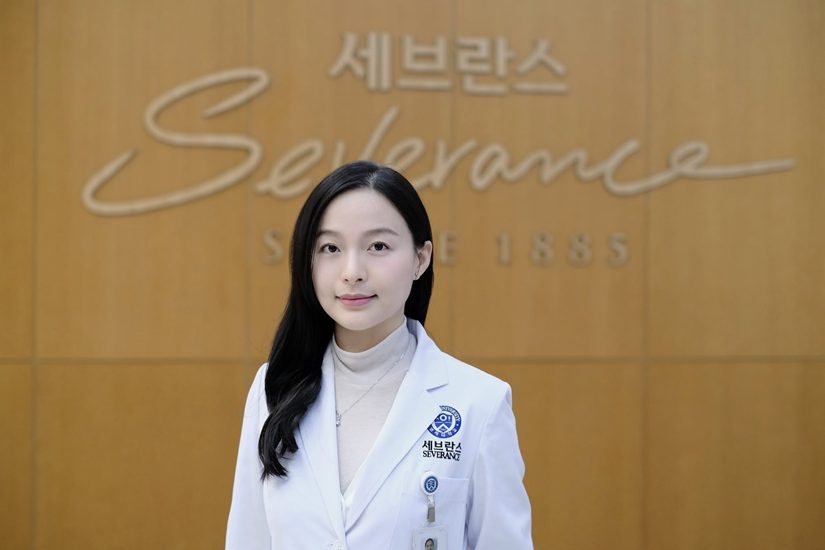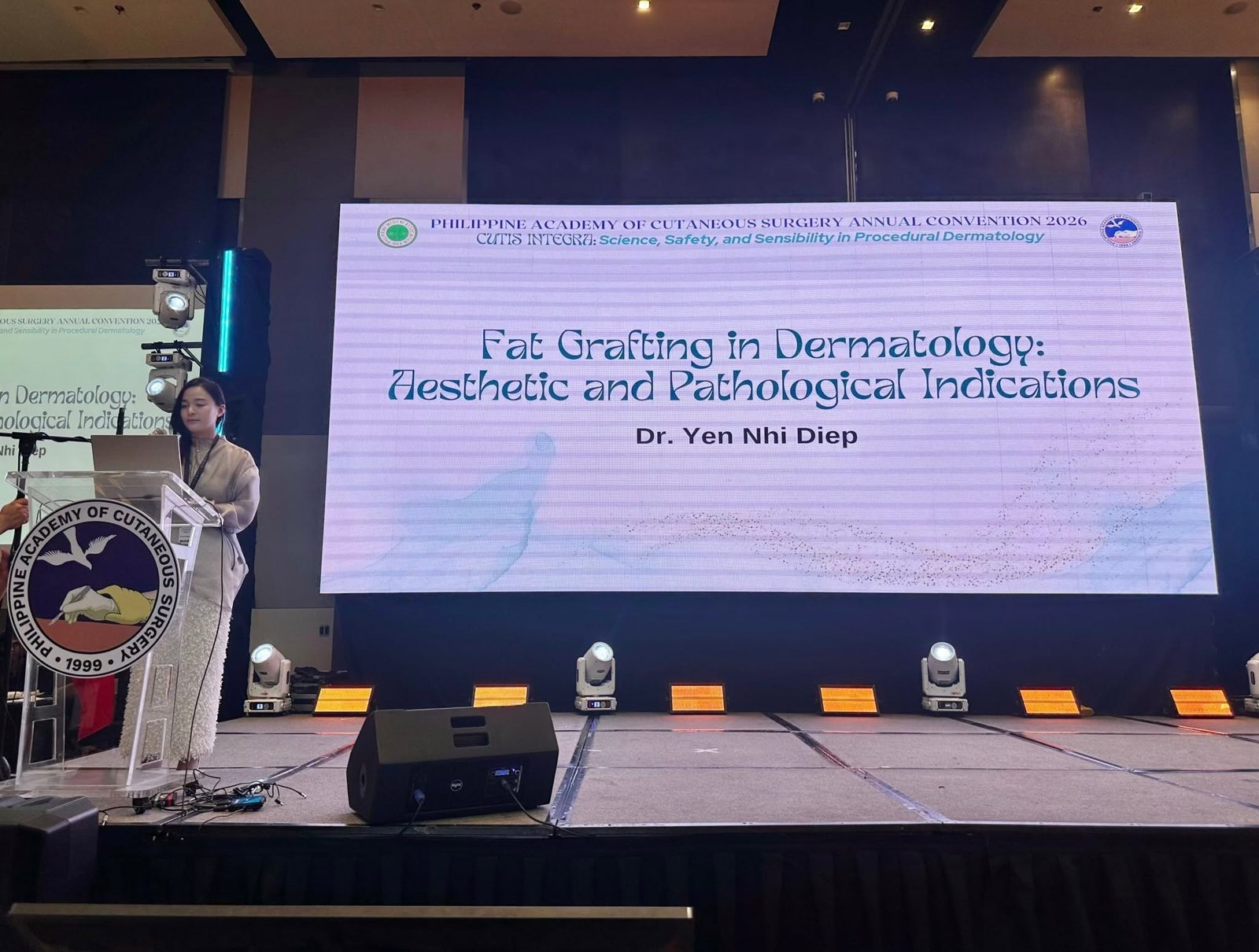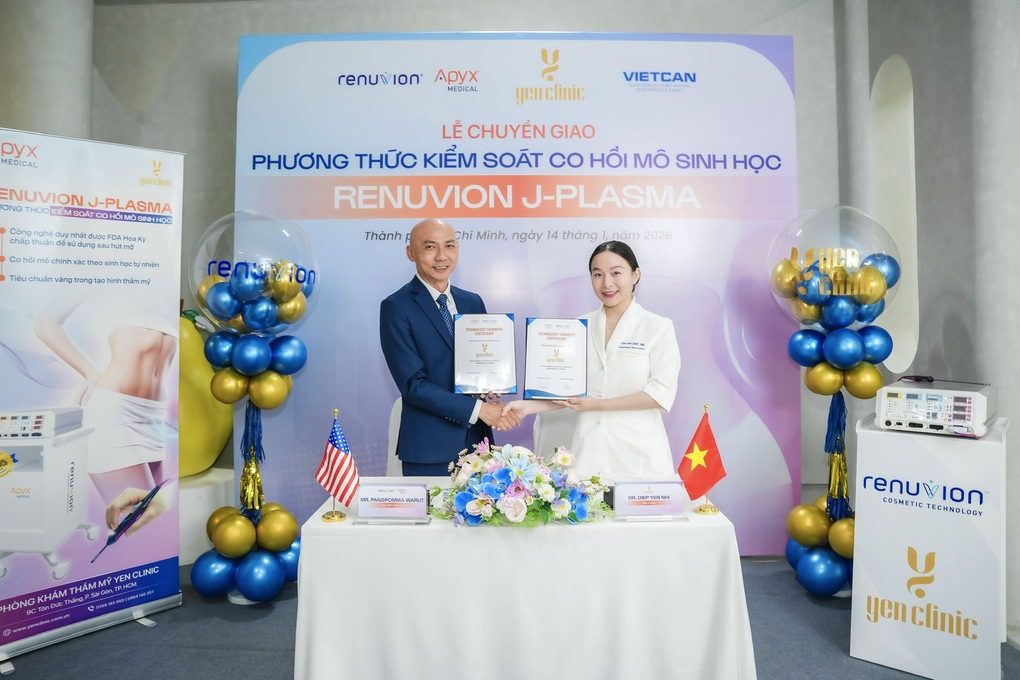
Recovery after aesthetic surgery or procedures was the topic Dr Diep Yen Linh, MSc, Specialist Level I chose for her talk at the “9th National Aesthetic Dermatology Congress” in Lam Dong. The Yen Clinic co-founder’s presentation centred on Indiba technology, which uses a 448 kHz current to support tissue recovery.
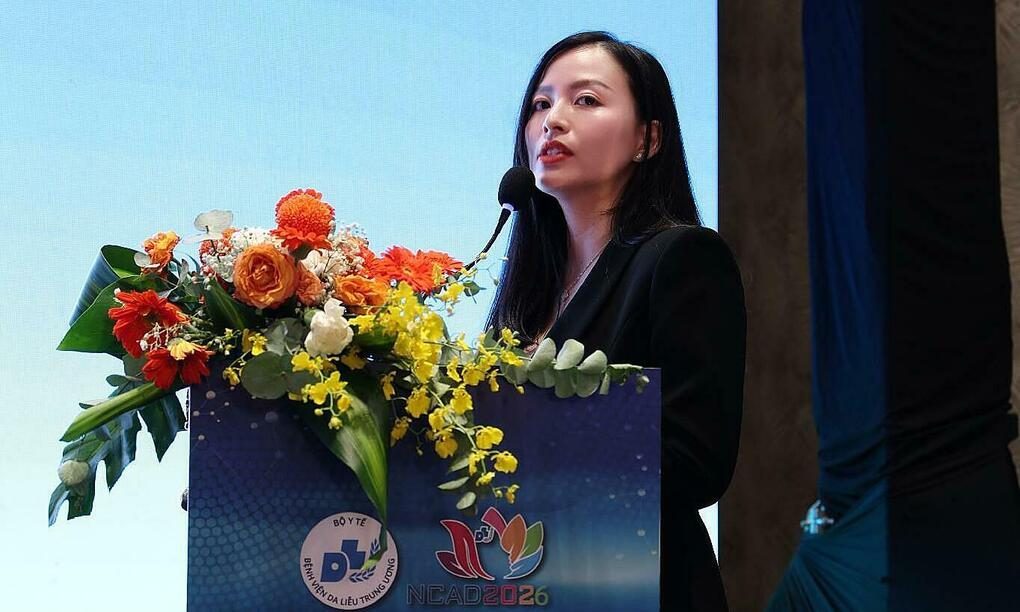
According to the doctor, Indiba was chosen for its in-depth research base and long history of clinical use in health and beauty, not to follow a trend. The talk explained how the technology works and shared data from treatment practice and recovery after aesthetic procedures.
Two mechanisms of the 448 kHz current
The 448 kHz current has been studied in many medical specialties for its role in supporting tissue regeneration. The talk analysed Indiba’s two main modes of operation.
- Non-thermal biostimulation: helps bring the electrical potential of the cell membrane back into balance and increases ion exchange, making it easier for tissue to repair itself.
- Internal heat (diathermy): heat generated within the tissue itself improves blood circulation and helps improve fibrous and soft tissue.
With both modes available, the doctor can choose the approach that suits each stage of a patient’s recovery.
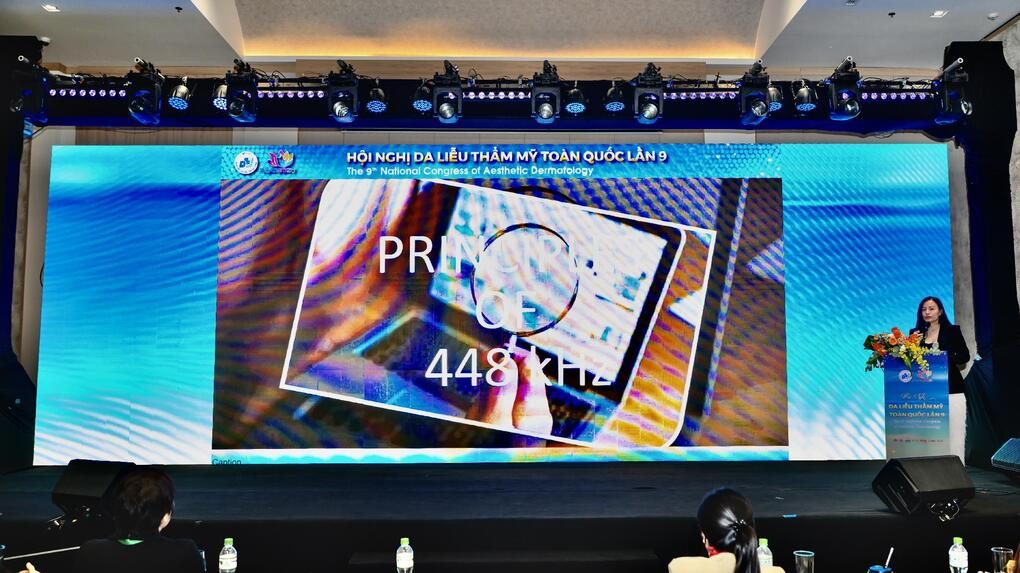
Use at each stage after a procedure
Immediately after surgery or an invasive procedure, the priority is to control inflammation so the tissue can recover. At this point, Indiba is used to ease the feeling of tightness, help tissue fluid drain and make it easier for the tissue to regenerate. Once the acute inflammatory phase has passed, the therapy shifts to boosting circulation, improving fibrous tissue and enhancing the quality of the treated area.
Dr Yen Linh said that at Yen Clinic, Indiba is being used to support recovery after aesthetic surgery and to improve soft tissue. Because each stage of tissue healing has its own biological characteristics, the treatment plan has to be adjusted for each person.
The final part of the talk reviewed studies on the effects of the 448 kHz current on mesenchymal stem cells and tissue regeneration. According to the doctor, this data provides a basis for further research into the technology and for extending its use to aesthetic dermatology, sports medicine and rehabilitation.
Another professional forum
On the sidelines of the congress, Dr Yen Linh met Ms Duong Thi Can, Director of Indiba in Vietnam. This talk follows other specialist forums the doctor has taken part in, where colleagues catch up on medical advances, compare clinical data and discuss methods of current interest.
This post is based on the article “Technology to support tissue regeneration after aesthetic procedures”, published by Ngoi Sao on 16 September 2026 (in Vietnamese).