Autologous facial fat grafting
Using your own fat to restore volume and rejuvenate. Yen’s doctors have presented on fat grafting at international conferences.
- Doctors
- Dr Diep Yen Nhi, Dr Diep Yen Linh
- Areas
- Temples, cheeks, smile lines, depressed scars
- Clinics
- Tan Phu and District 1, Ho Chi Minh City

Performed by
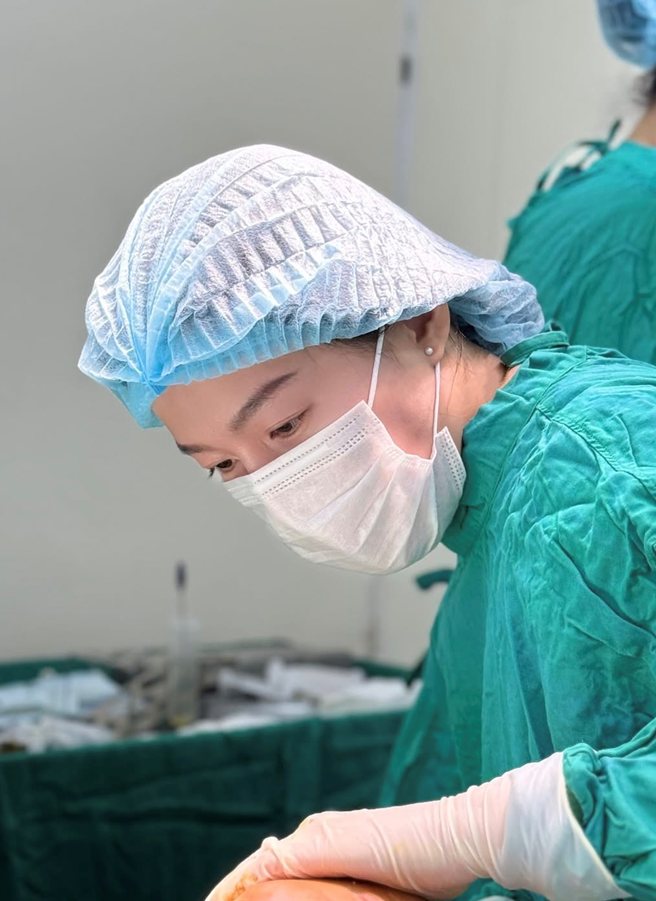
Dr Diep Yen Nhi performs fat grafting herself, and presented on the technique at ADLAS and the College of Physicians Malaysia in 2024.
- Dr Diep Yen Nhi, MSc, Specialist Level I
- Talks on fat grafting at ADLAS and the College of Physicians Malaysia, 2024.
- Dr Diep Yen Linh, MSc, Specialist Level I
- MSc in Dermatology, University of Medicine and Pharmacy at Ho Chi Minh City.
- Specialist doctors
- Doctors with a master’s degree or Specialist Level I qualification in dermatology and plastic surgery.
Before and after treatment
Photos shared with the patients’ consent and published on the clinic’s pages. Results vary from person to person.
-
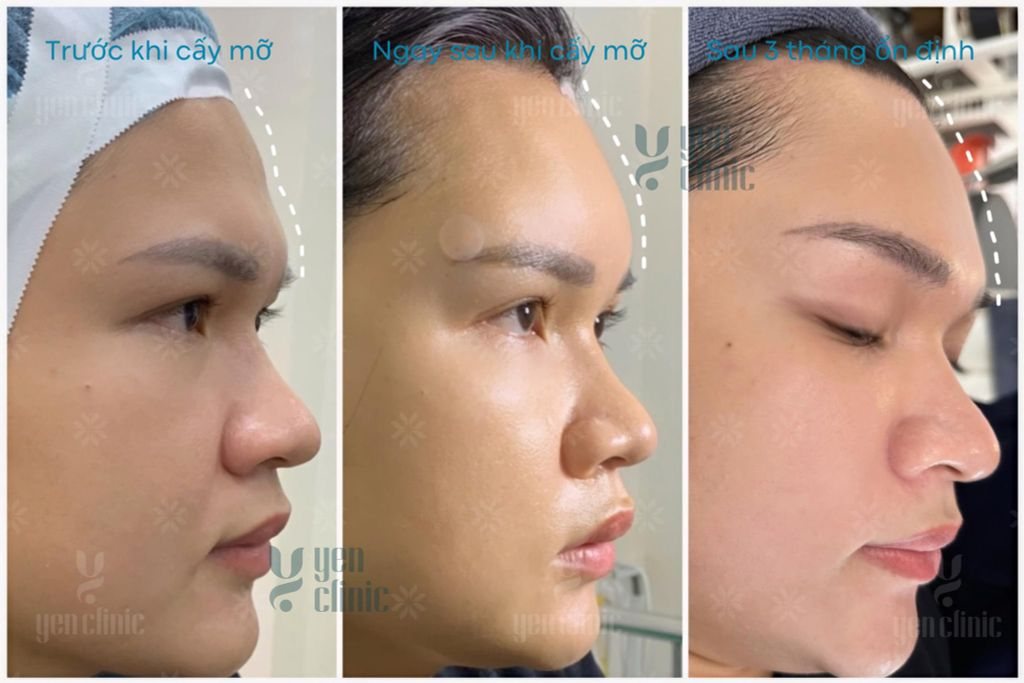
Facial fat grafting
Before, straight after grafting and once the fat has settled. Read the case
-
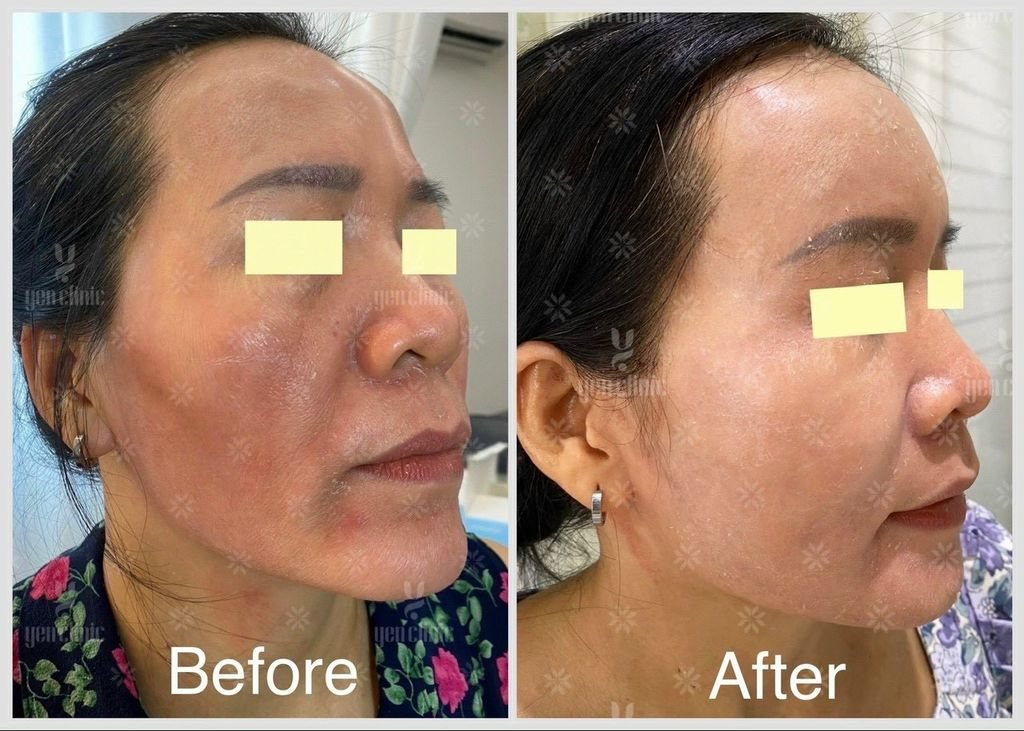
Fat grafting for rejuvenation
Before and after. Read the case
-
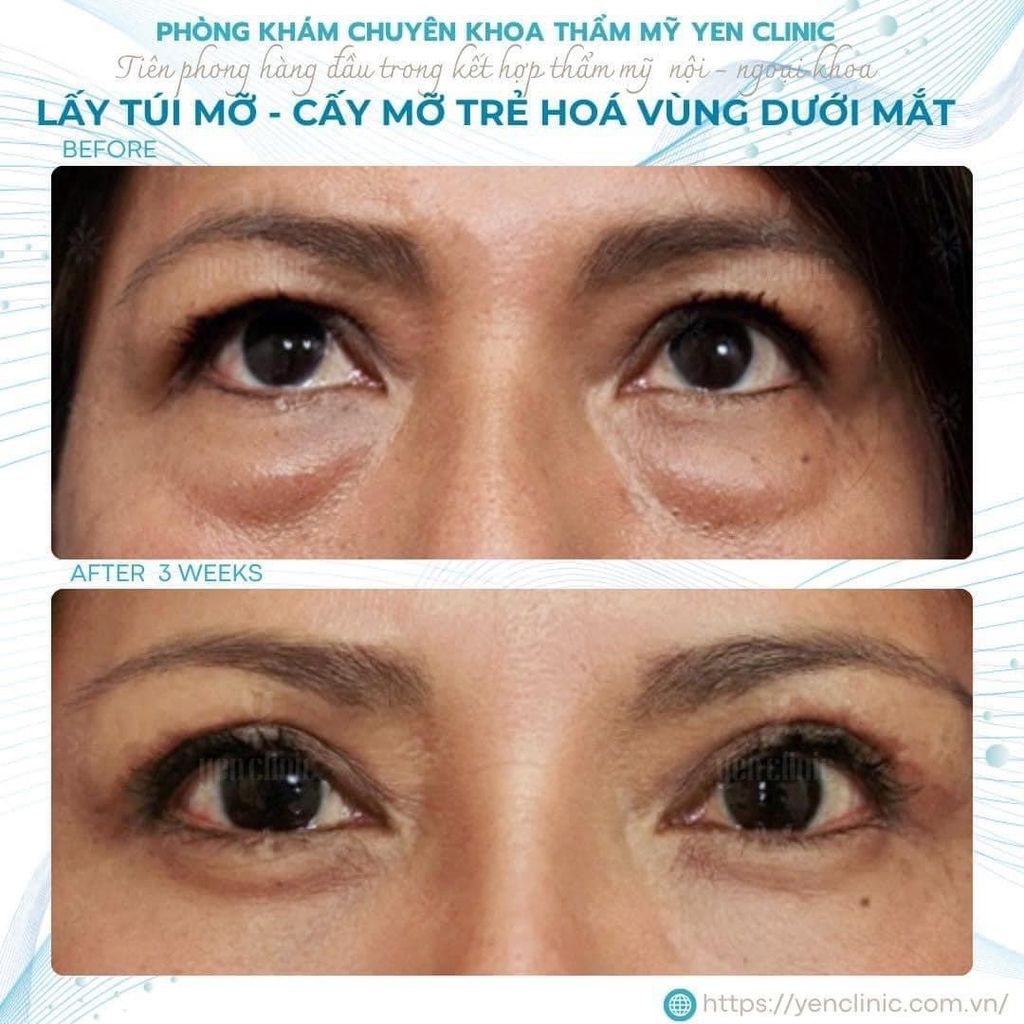
Under-eye fat removal and fat grafting
After 3 weeks. Read the case
What is autologous fat grafting?
Autologous fat grafting means taking a small amount of your own fat, usually from the abdomen or thighs, purifying it and grafting it into hollow areas of the face such as the temples, cheeks and smile lines. Because it is your own tissue, the fat does not cause the rejection reaction a foreign substance can.
Grafted fat needs to grow new blood vessels to survive. According to Vinmec, after the settling period about 40–70% of the fat remains, depending on the individual; the fat that survives lasts long term and changes with your weight like fat elsewhere in the body. This is why some people need a second, top-up graft.
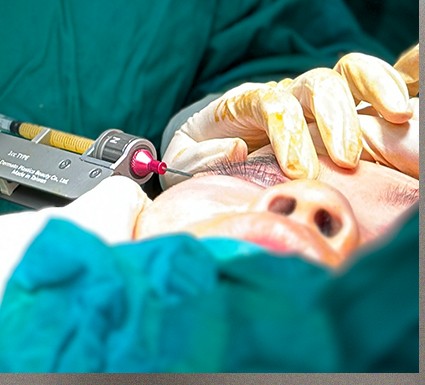
At Yen, Dr Diep Yen Nhi grafts fat with the MAFT-gun, placing tiny droplets of fat layer by layer so the fat survives well and the face looks even. Dr Nhi presented on fat grafting at ADLAS and the College of Physicians Malaysia in 2024.
Advantages
- Your own tissue, no rejection
- Surviving fat lasts long term
- Restores volume and helps soften the skin in the grafted area
Things to consider
- Fat has to be taken from another area
- Some of the fat will be absorbed; a further graft may be needed
- Swelling lasts longer than with fillers
Which areas can fat grafting treat?
Your own fat suits larger hollow areas, and also depressed scars after the doctor has performed subcision.
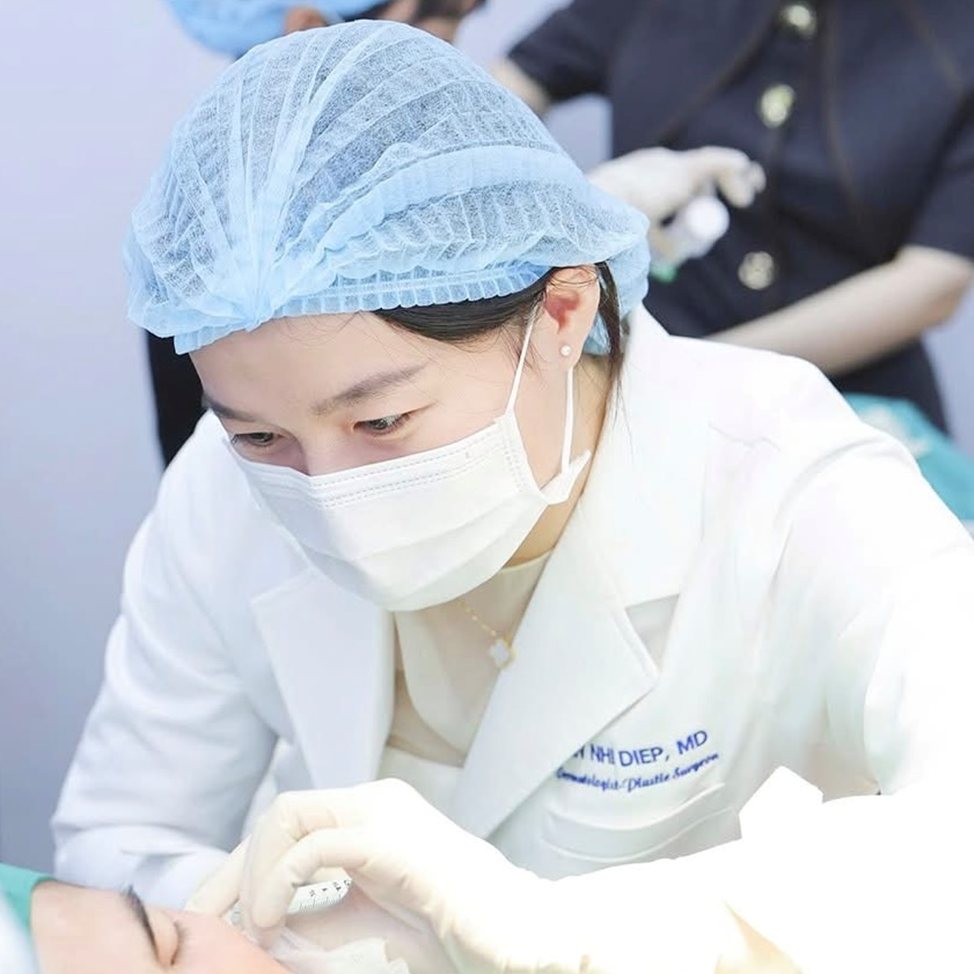
Hollow temples
Fills the hollows for a softer face shape.
Hollow cheeks, thin face
Fuller and more youthful.
Smile lines
Softens lines caused by volume loss.
Depressed and rolling scars
Fills beneath the scar after subcision.
Why Yen uses your own fat
-
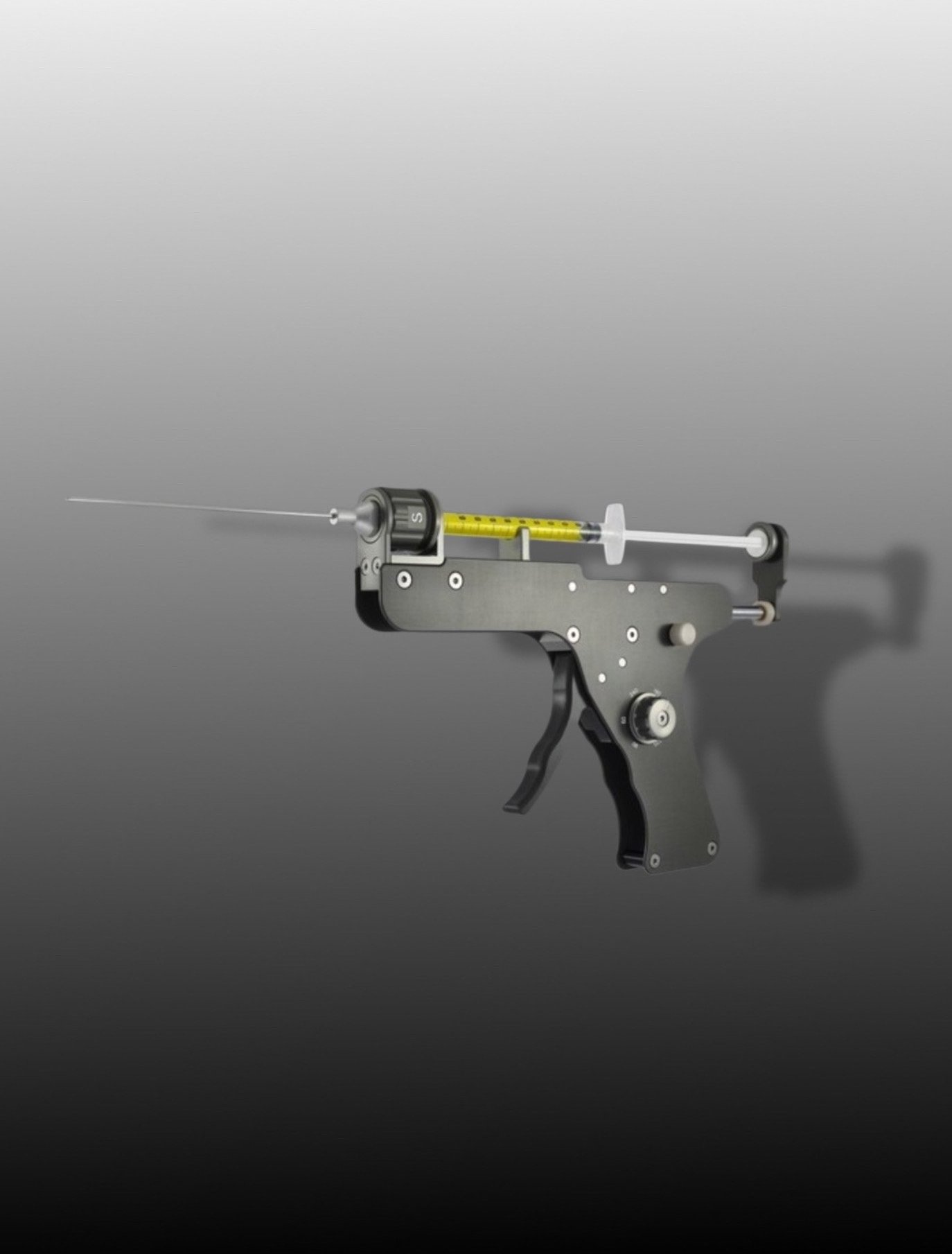
01 · Device
MAFT-gun
Places tiny droplets of fat precisely, layer by layer.
-
02 · Doctor
Dr Diep Yen Nhi
Talks on fat grafting and fillers at the Academy of Medicine Malaysia and ADLAS 2024.
-
03 · Combination
PRF, PRP
Can be combined to support regeneration, especially when fat grafting is used for scars.
- Follow-up after grafting
- The doctor monitors how the fat settles and adjusts if needed.
A fat grafting session at Yen
Consultation
Areas to fill, donor site, quote.
Fat harvesting
Under anaesthesia, a small amount of fat is drawn out through a fine cannula from a suitable area. Local anaesthesia or sedation; donor site
Processing and grafting
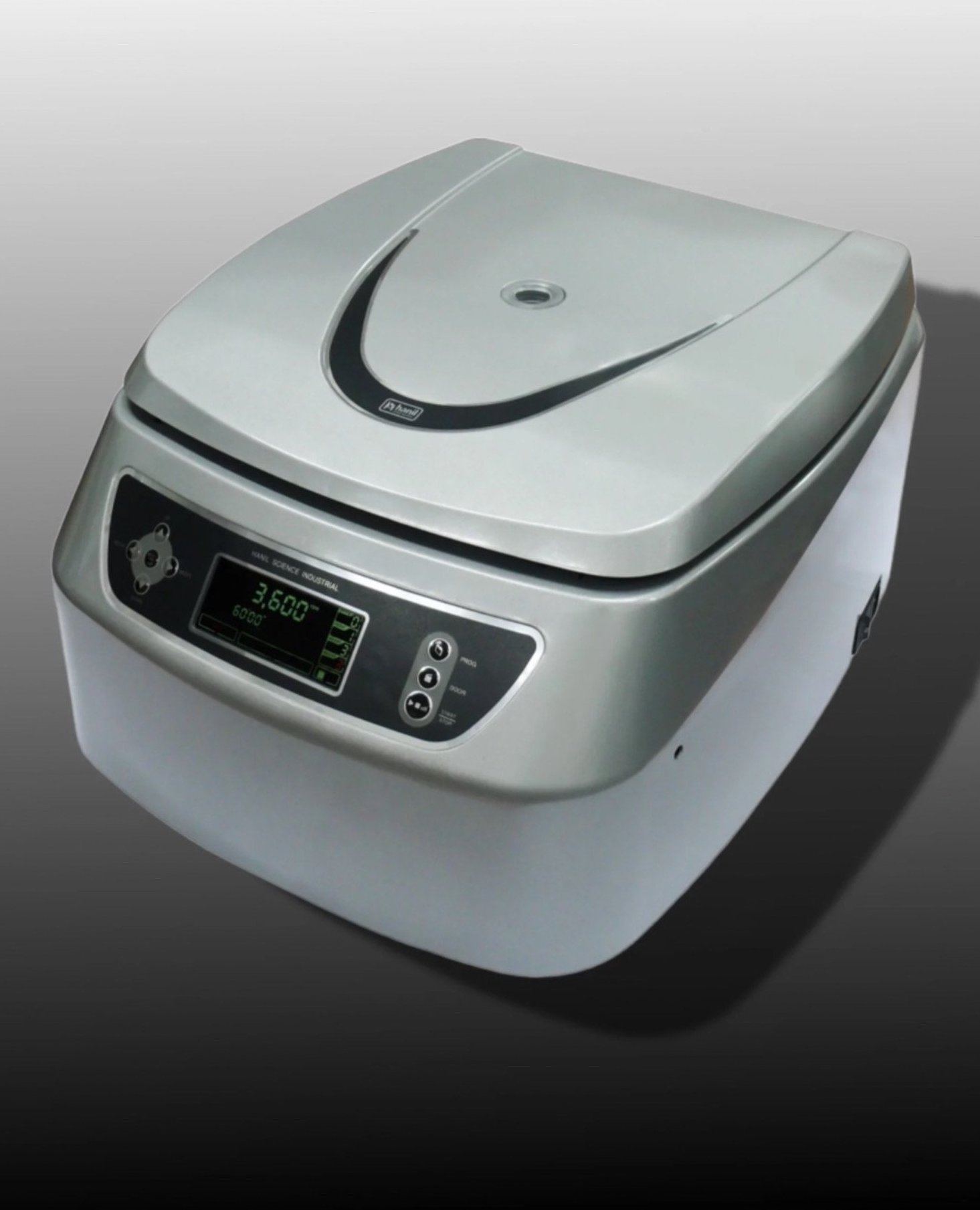
Filtered to remove fluid and oil, keeping only clean fat; grafted in tiny droplets, layer by layer, with the MAFT-gun.
Follow-up
Follow-up to check how the fat has settled.
Cost of facial fat grafting
Facial fat grafting from price to be confirmed
The doctor gives you a quote after the first consultation.
Number of areas and amount of fat
Both temples need less fat than widely hollow cheeks.
Combined approach
PRF may be added to help the fat survive, or fillers for fine adjustments.
Number of grafts
Most people need one graft; some need a top-up once the fat has settled.
How long fat lasts and how it differs from fillers
Comparison with fillers, how long it lasts, microfat and nanofat, aftercare.
Should I choose fat grafting or fillers?
| Autologous fat grafting | HA filler | |
|---|---|---|
| Filling material | Your own fat | Hyaluronic acid gel |
| How long it lasts | 40–70% of the fat survives; surviving fat lasts long term | 4–12 months, gradually breaks down |
| Procedure | Fat harvested, processed, then grafted | Injected directly |
| Swelling, recovery | Longer | 7–14 days |
| Adjustment | Surviving fat is hard to remove | Can be dissolved with hyaluronidase |
| Best for | Larger hollows, a long-lasting result | Small areas, fine adjustments, quick results |
The two can be combined: fat grafting for larger areas, fillers for fine detail. Filler figures from the AAD, fat figures from Vinmec.
How long does fat grafting last? Is it permanent?
Fat that has survived and settled lasts long term, but not all of the grafted fat survives. Once it has settled, about 40–70% usually remains, depending on the individual, the area and the technique.
This is why doctors usually graft just enough, arrange a follow-up to assess it, and add a top-up graft if needed rather than grafting too much at once. Surviving fat still changes with your weight: if you gain weight the area may look fuller, and if you lose a lot it may hollow again. Your face also continues to age.
How many grafts Yen patients usually have, and how far apart
What is the difference between microfat and nanofat?
These names refer to the size of the fat particles after processing. Microfat keeps small clusters of fat and is used to restore volume, for example in the temples and cheeks. Nanofat is processed more finely, has almost no filling effect, and is usually used to improve skin quality, dark circles or scars.
Whether Yen uses microfat, nanofat or both, and for which areas
Fat grafting for depressed scars: fat is grafted after the doctor performs subcision, helping the scar fill out and making it less likely to tether again. See acne scar treatment.
What swelling, aftercare and complications should I expect after fat grafting?
Swelling and bruising. Both the grafted area and the donor site may swell and bruise. Your face will look fuller than intended at first and will slim down as the swelling settles. Days of swelling, and when you can return to work
What to avoid. For the first 1–2 weeks, avoid hot compresses and saunas. Avoid knocks and pressure on the grafted area, and limit talking, laughing and strong facial expressions in the first week. Don’t rub or massage the area yourself unless your doctor tells you to.
Complications to know about. Lumps, unevenness between the two sides and infection can occur. Rare but most serious is fat entering a blood vessel, blocking vessels to the eye or brain. That is why facial fat grafting needs a doctor who understands the anatomy, uses a blunt-tip cannula and grafts in small amounts.
Fat that does not survive. If the fat is harvested or processed incorrectly, some of the grafted fat may be absorbed after 1–3 months and the result may fall short of expectations. Grafting into the wrong layer can cause fibrous lumps; grafting in the wrong place can make the face look heavy and unbalanced.
What Yen doctors do to reduce the risk. Gentle handling during harvesting and grafting so fewer fat cells are damaged. The fat is processed by machine to separate living cells and remove impurities. The harvesting cannulas and grafting instruments use a sterile system dedicated to fat grafting. After grafting, the donor site is treated with an energy-based device to speed recovery and keep the skin soft.
Frequently asked questions
Can’t see your question? Message us on Zalo and a doctor will reply.
Does fat grafting last long?
Fat that has survived and settled lasts long term. About 40–70% of the grafted fat usually remains, depending on the individual and the area, so some people need a top-up graft.
Where is the fat taken from?
Usually the abdomen or thighs, where there is fat to spare. The doctor chooses the area after examining you. Yen to confirm the usual donor sites
How is fat grafting different from fillers?
Fillers are filling materials that are injected, while fat grafting uses your own fat tissue. The doctor will advise which suits each area.
How long does the swelling last?
Answer to be provided by the doctor
How much does facial fat grafting cost?
It depends on the number of areas, the amount of fat, whether PRF or fillers are added and the number of grafts. Facial fat grafting at Yen starts from price to be confirmed; the doctor gives you a quote after the consultation.
Does fat grafting hurt?
The doctor numbs both the donor site and the grafting area beforehand. Afterwards you may feel tightness and mild pain for a few days. Yen to confirm local anaesthesia or sedation
Is facial fat grafting dangerous?
Most side effects are swelling and bruising, which settle on their own. The most serious complication is vascular occlusion, which is rare but serious, so you need an experienced doctor and a technique that grafts small amounts at a time with a cannula.
What should I avoid after fat grafting?
No hot compresses or saunas for the first 1–2 weeks; avoid knocks and pressure on the grafted area, and limit strong facial expressions in the first week.
References3Vinmec · AAD · Thanh Nien
- VinmecHow long does facial fat grafting last?
- American Academy of Dermatology (AAD)Fillers: FAQs
- Thanh NienThings to know before fat grafting
Techniques and treatment plans: Yen Clinic doctors. Results vary from person to person. The information on this page is for reference only and does not replace a doctor’s diagnosis.