Acne treatment
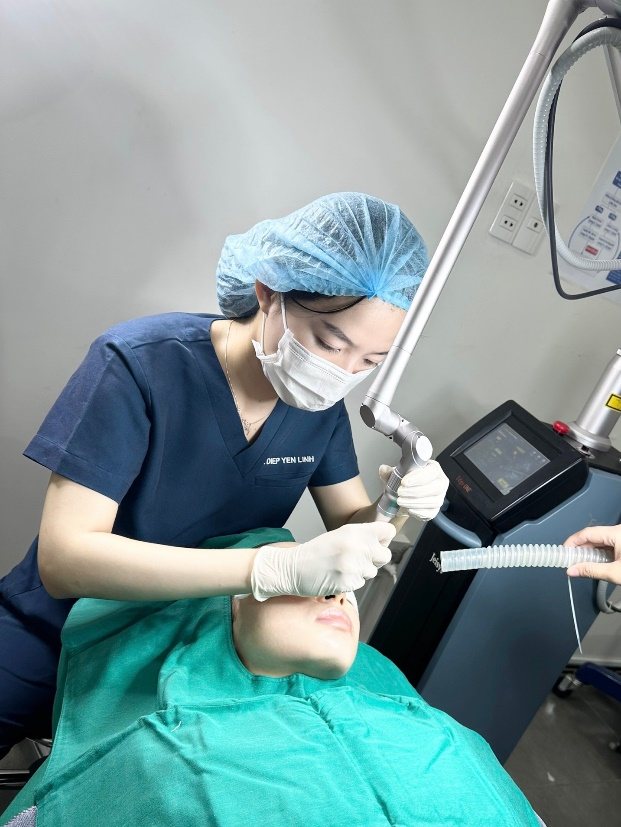
A dermatologist examines your skin and chooses the approach for your type of acne: extraction, peels, anti-inflammatory laser and cosmeceuticals.
- Doctors
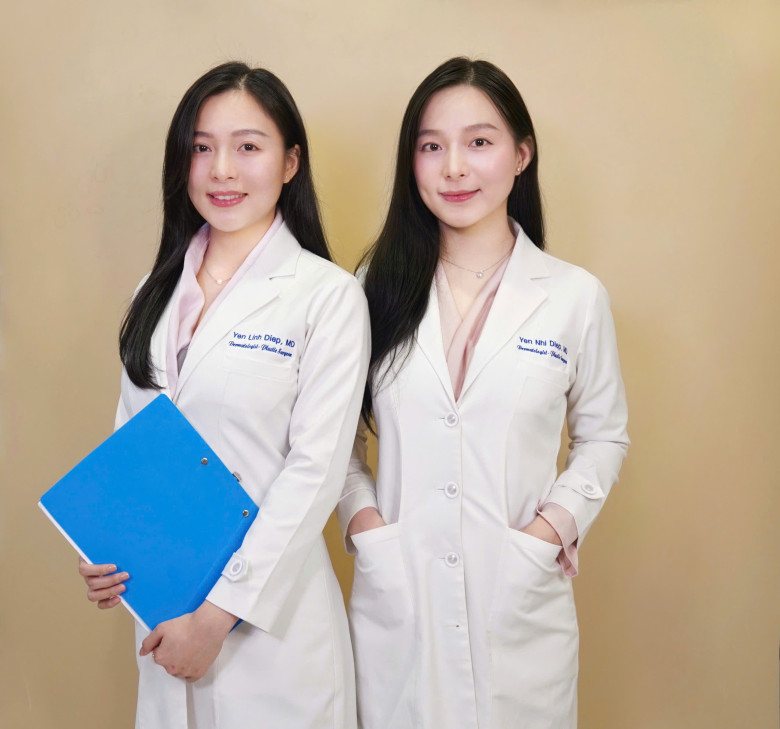
- Dr Diep Yen Linh, Dr Diep Yen Nhi
- Combines
- Extraction, peels, laser, medication
- Clinics
- Tan Phu and District 1, Ho Chi Minh City
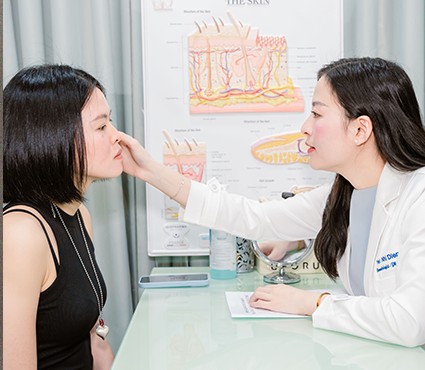
The doctor examines and grades your acne first
Your acne is examined and graded by a dermatologist first; only then do we choose extraction, peels, laser or medication.
- Dr Diep Yen Linh, MSc, Specialist Level I
- MSc in Dermatology, University of Medicine and Pharmacy at Ho Chi Minh City.
- Dr Diep Yen Nhi, MSc, Specialist Level I
- MSc in Dermatology; Dermatologic Surgery Fellow at Yonsei University, Severance Hospital; International Fellow, ASDS.
- Specialist doctors
- Doctors with a master’s degree or Specialist Level I qualification in dermatology and plastic surgery.
Before and after treatment
Photos shared with the patients’ consent and published on the clinic’s pages. Results vary from person to person.
-
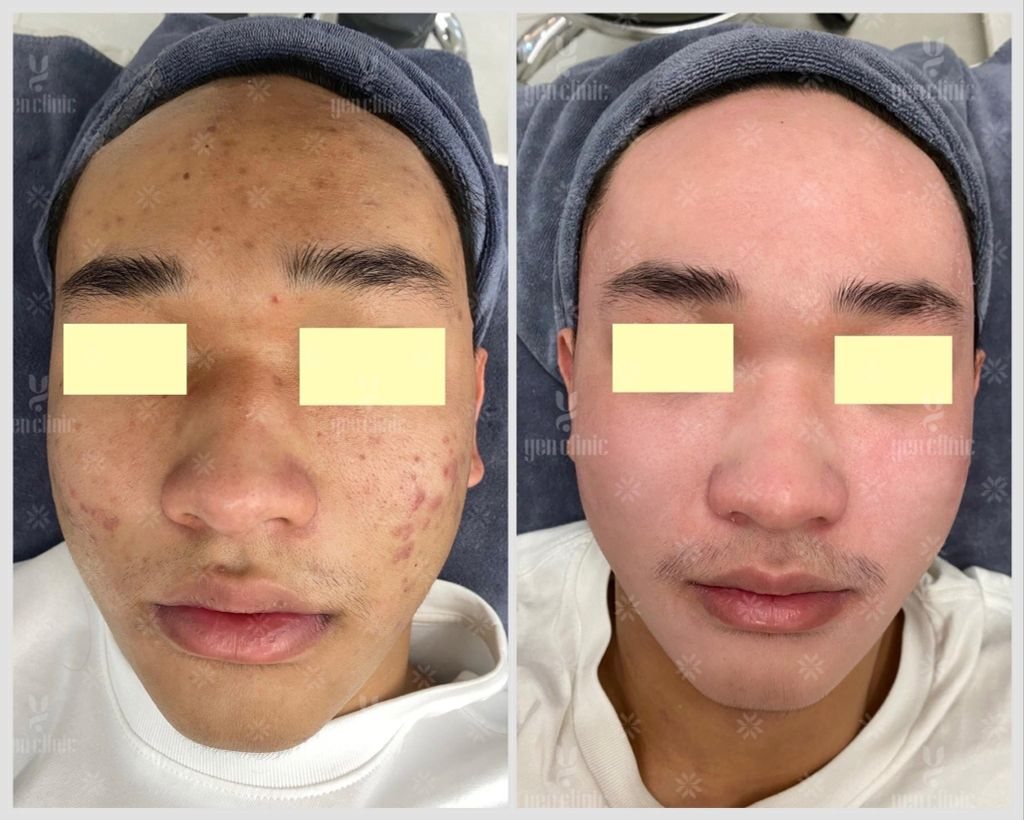
Severe acne with dark marks in a male patient
After 5 months of treatment. Read the case
-
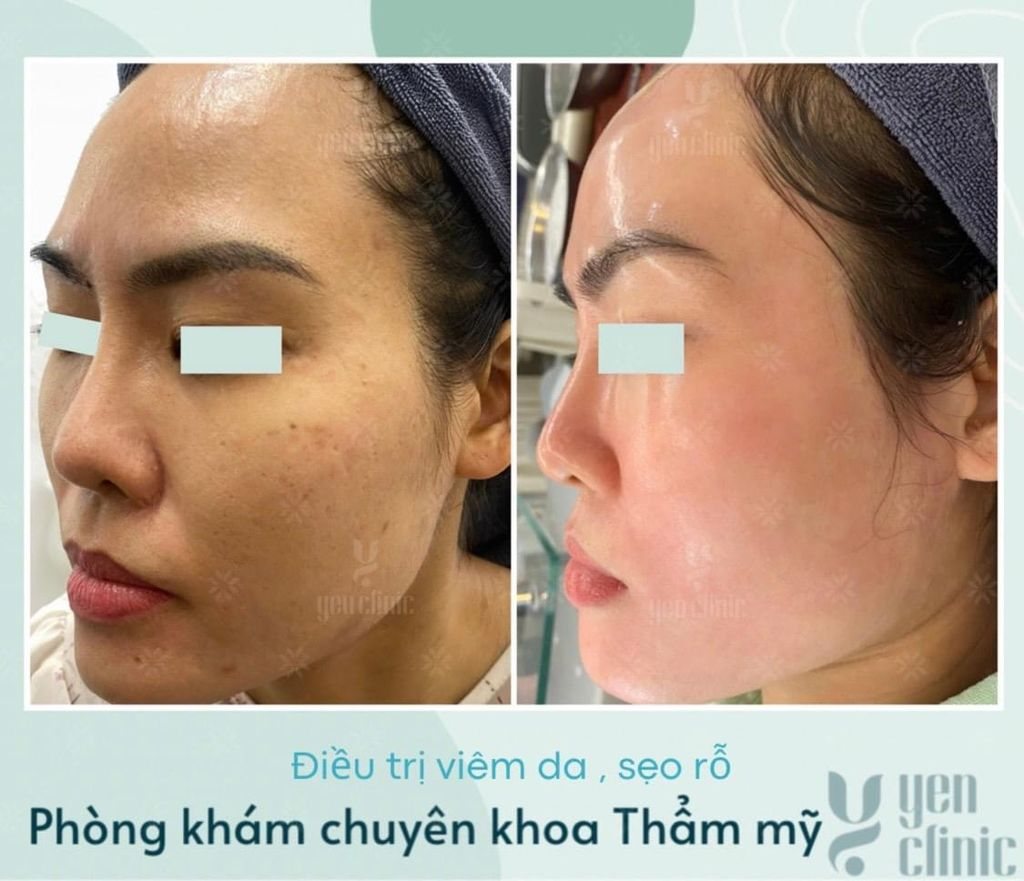
Persistent acne
Had already taken oral acne medication before coming to Yen. Read the case
-
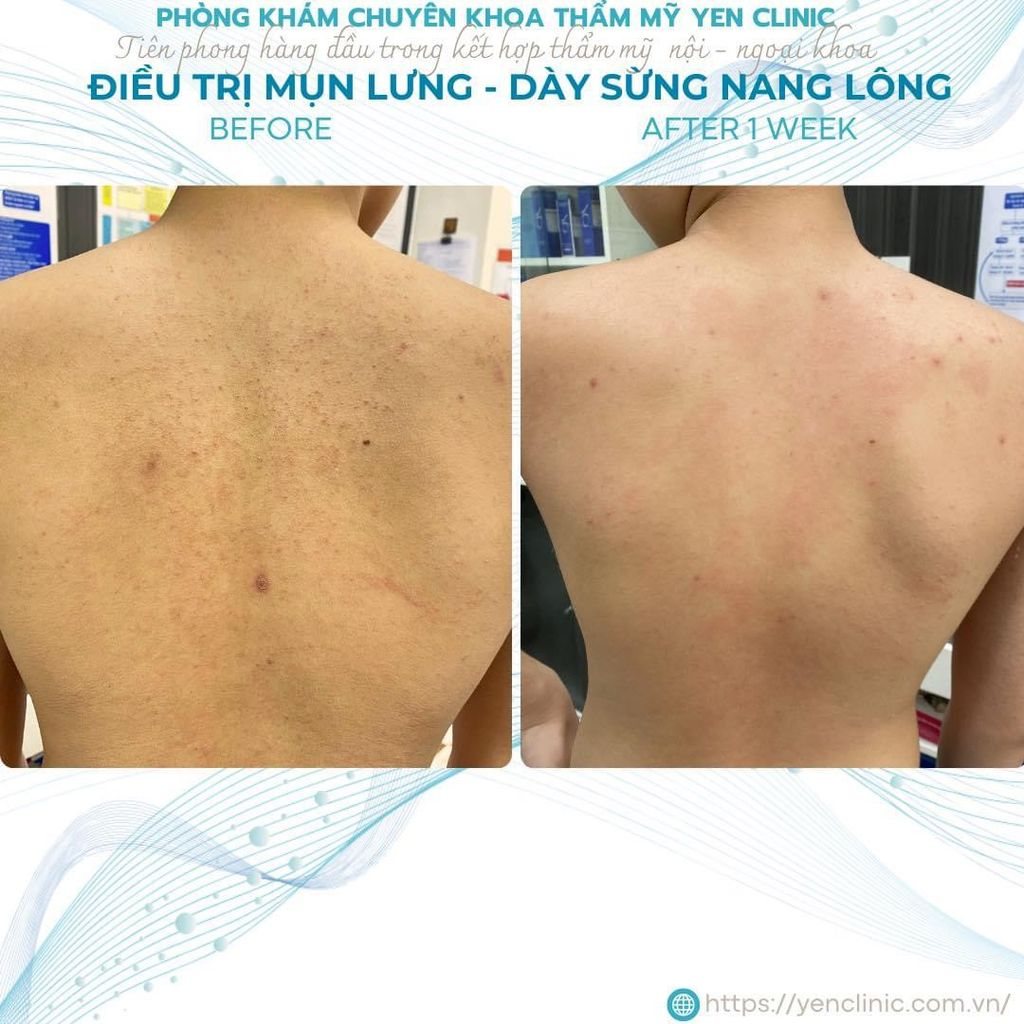
Back acne and keratosis pilaris
After 1 week. Read the case
Your type of acne
Blackheads, inflamed acne and oily skin that keeps breaking out each need a different approach, so the doctor examines you before drawing up a treatment plan.
Blackheads and whiteheads
Plugs block the pores and the skin feels bumpy.
Inflamed acne, pustules
Red, swollen and painful; often leaves dark marks.
Oily skin, recurring acne
Very oily, with enlarged pores.
Sensitive acne-prone skin
Easily irritated; turns red and stings with products.
Extraction, peels, laser and medication
-
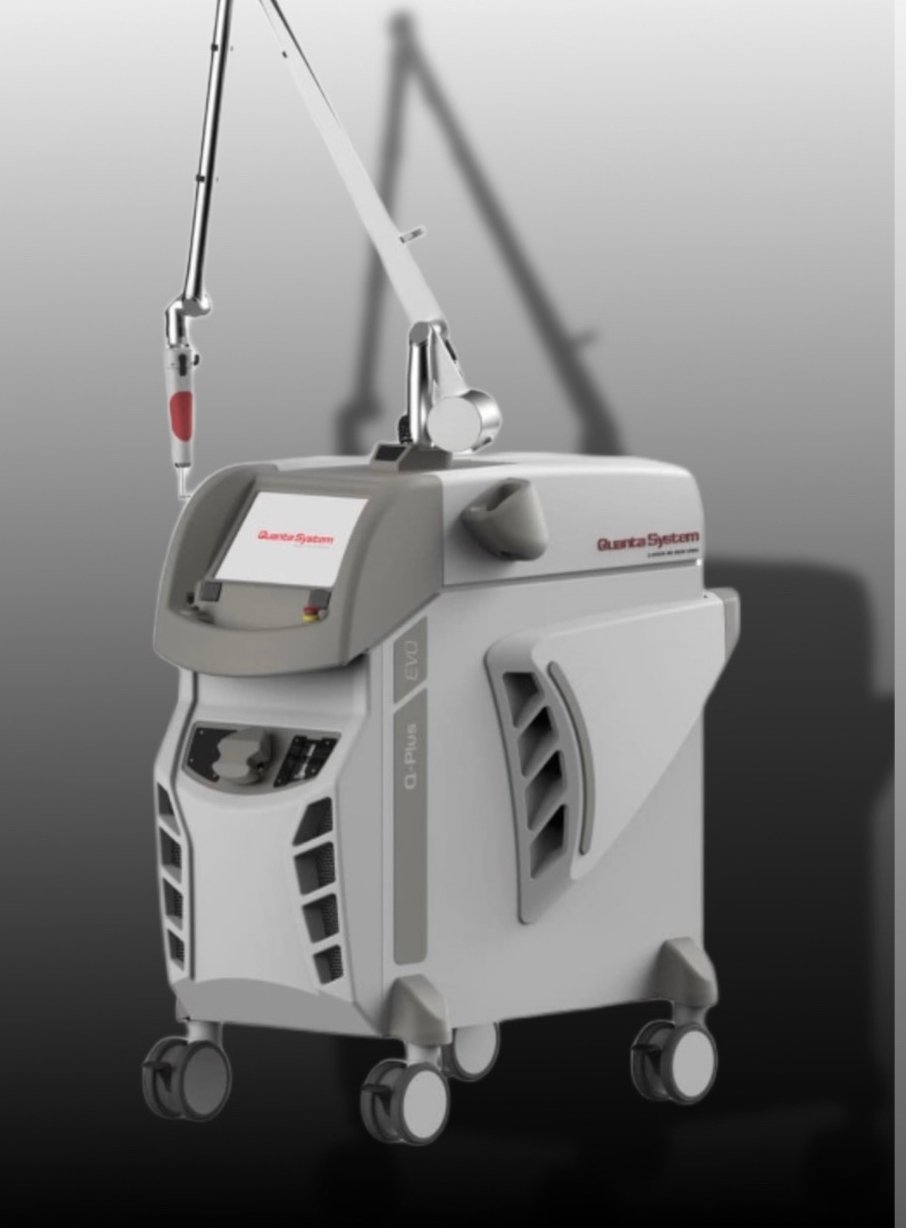
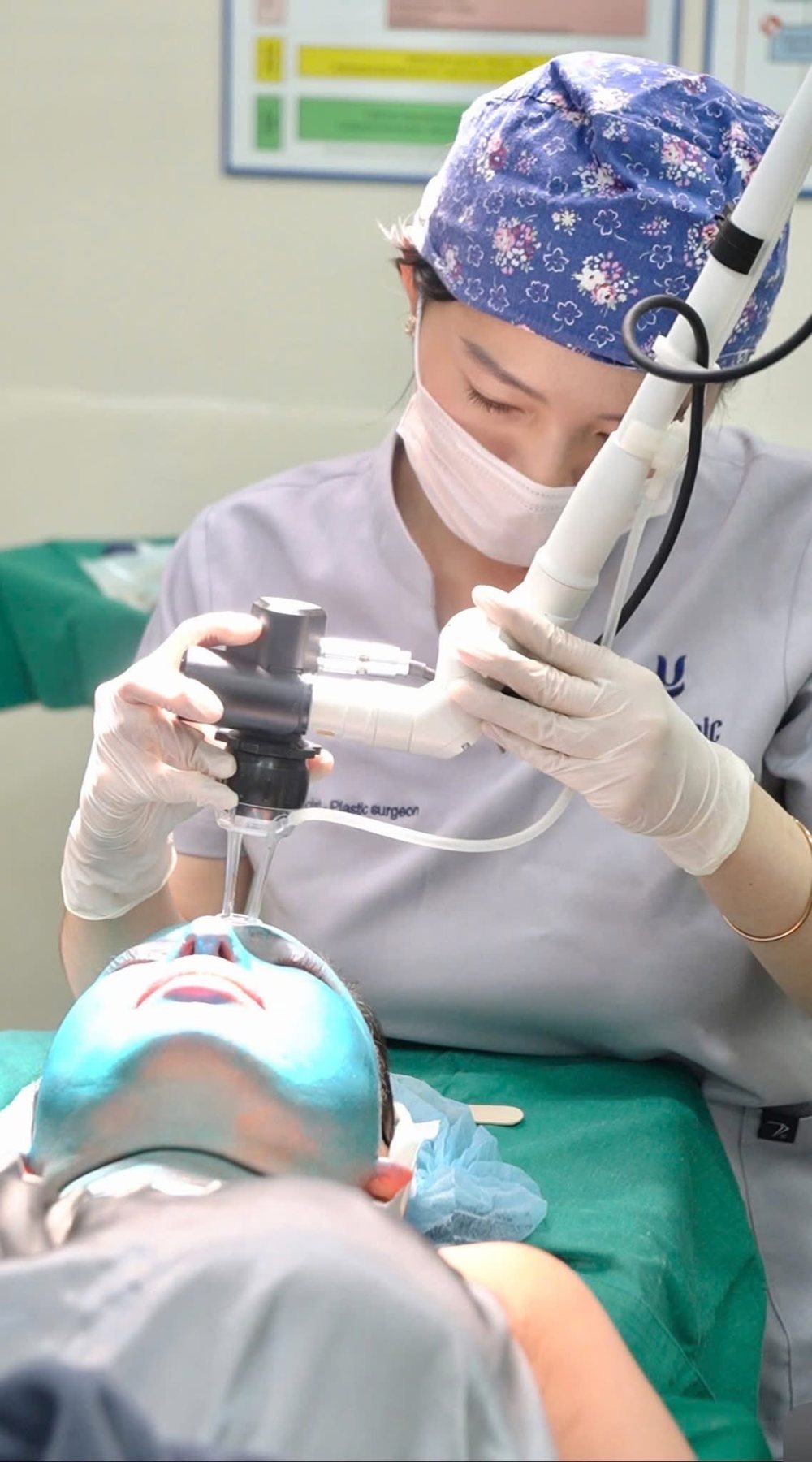
01 · Laser
Laser Q-Plus Quanta 1064nm
Reduces C. acnes bacteria, oil production and inflammation, and clears the pores.
-
02 · Procedure
Medical acne extraction
A small single-use needle relieves pressure and inflammation in the blocked pore.
-
03 · Peel
TCA + retinol peel, European algae peel
Removes dead skin cells and unclogs pores. The algae peel contains glycolic and lactic acid and is gentler on sensitive skin.
- Prescription medication and cosmeceuticals
- Prescribed by the doctor for your skin; a pharmacist shows you how to use them.
Daily care for acne-prone skin
-
At home
A few small habits help acne clear faster and come back less often:
- Wash your face gently no more than twice a day and after sweating, using your fingertips rather than rubbing with a flannel or cotton pad.
- Choose gentle, alcohol-free products; avoid astringent toners and grainy scrubs, which dry the skin and make acne worse.
- Wash your hair more often if it is oily, and keep it off your forehead.
- Don’t squeeze or pick spots: they take longer to heal and are more likely to leave dark marks and scars.
-
When should you see a doctor?
Mild acne can be treated with over-the-counter products for a few weeks. See a dermatologist if:
- You have a lot of inflamed spots, nodules or cysts.
- Over-the-counter products have not helped after 2–3 months.
- Acne keeps coming back on your chin and jawline and may be hormonal.
- Acne is starting to leave dark marks or depressed scars.
Already have acne scars? Get the acne under control first, then treat the scars. See acne scar treatment.
An acne treatment session at Yen
Examination and grading
The doctor checks your type of acne and how inflamed it is, and gives you a quote.
Cleansing and extraction
Single-use needles, sterilised instruments.
Peel or laser
Chosen according to the inflammation and how sensitive your skin is.
Home maintenance
Medication, cosmeceuticals and follow-up appointments.
Acne treatment costs
Acne treatment from price to be updated
The doctor gives you a quote after the first consultation.
Severity
Comedones in a few areas are much milder than inflamed acne across the whole face.
Combination of treatments
Extraction, peels and laser can be done separately or combined, depending on how your skin responds after each session.
Medication and home products
Topical and oral medication and cosmeceuticals prescribed by the doctor are charged separately.
Understanding acne to treat it properly
How acne forms, when oral medication is needed, and how long results take.
How does acne form?
Acne is a chronic inflammatory condition of the hair follicles and oil glands. Normally, oil (sebum) and dead skin cells leave the skin through the follicle. When the follicle opening is blocked, they build up into comedones: blackheads if the opening is open, whiteheads if it is closed.
Bacteria in the follicle make the inflammation stronger, causing red spots and pustules. When the follicle wall ruptures, the inflammation spreads deeper, forming nodules and cysts. Hormones after puberty make the oil glands larger and more active, so acne is often worst at ages 16–18, but many people still get acne as adults.
Because acne has several causes at once, a good treatment plan usually targets several steps: unblocking pores, reducing oil, reducing bacteria and reducing inflammation.
Acne tends to get worse with
- A family history of severe acne
- Hormonal imbalance, polycystic ovary syndrome, long-term stress
- Moisturisers, foundations or waxes that clog pores
- Prolonged rubbing or pressure on the skin (hat straps, headbands)
- Hot, humid weather, and some medications
Is my acne mild, moderate or severe?
| Severity | Signs | Usually needs |
|---|---|---|
| Mild | Mostly comedones, a few small inflamed spots | Topical medication, extraction, peels or laser, the right skincare |
| Moderate | Many red inflamed spots and pustules on the cheeks, forehead and chin | Oral medication as well (antibiotics, or hormonal treatment for women), prescribed by the doctor |
| Severe | Nodules and cysts, widespread, starting to leave scars | May need isotretinoin with close monitoring; treat early to limit scarring |
Severity grades and treatment approach based on DermNet. At your consultation, the doctor counts and classifies the lesions to draw up your treatment plan.
Which creams and tablets are used for acne?
Medication is the foundation of acne treatment; extraction, peels or laser help results come faster and more evenly. Commonly used groups:
- Topical retinoids (adapalene, tretinoin): unblock pores, reduce comedones and help fade dark marks. Usually applied in the evening; sun protection is needed.
- Benzoyl peroxide: kills acne-causing bacteria; works better combined with a retinoid or an antibiotic.
- Topical antibiotics: never used alone, but paired with benzoyl peroxide or a retinoid to limit antibiotic resistance.
- Azelaic acid: reduces inflammation, unblocks pores and fades dark marks after acne.
- Oral medication: tetracycline-class antibiotics for the shortest effective time; women may be offered hormonal treatment. Prescription only.
Isotretinoin. A very effective oral medication for severe acne and acne that has already left scars. DermNet reports that at least half of people who complete a full course stay clear of acne long term. Points to note:
- You must not become pregnant while taking it or for 4 weeks after stopping
- Dry lips, dry skin and dry eyes affect almost everyone
- No CO2 laser or dermabrasion while taking it or for 6 months afterwards
- Do not buy it yourself; the doctor adjusts the dose and monitors you
Yen to confirm whether it prescribes isotretinoin
How long until I see results, and what should I watch out for?
Give it 6–8 weeks. It takes at least 6 to 8 weeks of regular use to see fewer new spots. Changing medication all the time makes it impossible to tell what works. Average number of sessions in a course of treatment at Yen
Common side effects. Topical medication can cause dryness, redness, peeling and stinging, and sometimes a mild flare in the first few weeks. Tell your doctor so the dose or routine can be adjusted; do not apply more, as it will not clear the acne any faster.
Sun protection. Retinoids and some oral medications make the skin more sensitive to the sun. Use a broad-spectrum sunscreen of SPF 30 or higher labelled “won’t clog pores” (non-comedogenic).
Frequently asked questions
Can’t see your question? Message us on Zalo and a doctor will reply.
Does extraction make pores bigger?
Extraction done with the right technique relieves pressure and inflammation in the blocked pore. At Yen, extraction needles are used only once, and extraction is usually combined with medication, peels or laser.
How does laser treat acne?
The Q-Plus Quanta 1064nm laser helps reduce acne-causing bacteria, oil production and swelling around the spots.
Can I have a peel if my skin is sensitive?
The European algae peel contains glycolic and lactic acid with algae extract and is gentler. The doctor will choose the type of peel after examining you.
How long does it take to clear acne?
It usually takes at least 6 to 8 weeks of regular treatment to see fewer new spots. Mild acne may settle within a few months; severe and cystic acne take longer. The doctor reassesses your skin at each follow-up.
Will my acne come back after treatment?
Acne is a chronic condition, so it can come back, especially if medication is stopped early or triggers return. A maintenance phase with a mild topical treatment, the right skincare and follow-ups helps keep acne from returning.
How much does acne treatment cost?
It depends on the type and severity of your acne, the combination of treatments and the number of sessions. A course of acne treatment at Yen starts from price to be updated; the doctor gives you a quote after examining you.
What does an acne treatment plan include?
Usually topical medication (retinoids, benzoyl peroxide), oral medication if the acne is moderate or severe, supporting procedures such as extraction, peels and laser, and skincare at home. The doctor chooses according to your type and severity of acne.
Is isotretinoin dangerous?
Isotretinoin is effective but must be taken under a doctor’s supervision. Most importantly, you must not become pregnant while taking it or for 4 weeks after stopping. Dry lips and dry skin are common side effects.
Should I squeeze my spots at home?
You should not squeeze them yourself. Squeezing and picking spreads the inflammation, slows healing and is likely to leave dark marks and scars. Extraction should be done in a clinic with sterile instruments.
Is acne on the chin and jawline hormonal?
It is common in adult women and is often linked to hormones. The doctor may ask more about your periods and polycystic ovaries, and consider hormonal treatment if suitable.
References5DermNet · AAD
- DermNetAcne vulgaris
- DermNetWhat causes acne
- DermNetIsotretinoin
- American Academy of Dermatology (AAD)Acne: Diagnosis and treatment
- American Academy of Dermatology (AAD)Acne: Tips for managing
Treatment plans: Yen Clinic doctors. Results vary from person to person. The information on this page is for reference only and does not replace a doctor’s diagnosis.