Skin health restoration at Yen Clinic
Red, stinging, thin skin that reacts to everything, skin damaged by steroid-containing creams, or skin that has not settled after a peel or laser needs repair before melasma or acne can be treated well. Yen repairs the skin barrier with the three-step ZO Skin Health protocol, prescribed and adjusted by a dermatologist. Clinics in Tan Phu and District 1, Ho Chi Minh City.
- Protocol
- ZO Skin Health, tailored by the doctor
- First changes
- Usually after 2–6 weeks of daily use
- Clinics
- Tan Phu and District 1, Ho Chi Minh City

A protocol written for your skin
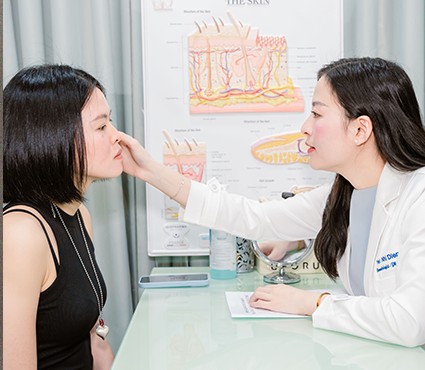
At Yen, a dermatologist prescribes the repair protocol after examining your skin and adjusts it at every follow-up according to how the skin responds. Both Yen doctors sit on the ZO Skin Health APAC Advisory Board for the Asia-Pacific region.
- Dr Diep Yen Linh, MSc, Specialist Level I
- MSc in Dermatology, University of Medicine and Pharmacy at Ho Chi Minh City.
- Dr Diep Yen Nhi, MSc, Specialist Level I
- MSc in Dermatology; Dermatologic Surgery Fellow at Yonsei University, Severance Hospital; International Fellow, ASDS.
- Specialist doctors
- Doctors with a master’s degree or Specialist Level I qualification in dermatology and plastic surgery.
What healthy skin looks like
Restoring skin health means getting the skin to do its own job again: hold water, keep irritants out, renew its cells on schedule and stay free of low-grade inflammation. In their training material on the ZO Skin Health protocol, Dr Diep Yen Linh and Dr Diep Yen Nhi use six signs of healthy skin:
- Smooth, with no rough or flaky patches.
- Thick and firm, not so thin that small vessels show through.
- Even in tone, with few brown spots, marks or dull patches.
- Hydrated from within, not just shiny from cream on the surface.
- Tolerant of sun, dust and skincare without turning red.
- Free of active skin disease such as inflamed acne or dermatitis.
Signs your skin barrier needs repair
Stinging or burning with products you used to tolerate; red patches, often on both cheeks; skin that feels tight yet still gets oily; tiny bumps; visible small vessels; skin that keeps getting duller despite brightening products. The usual causes we see are lightening creams containing steroids, home peels or too much exfoliation, layering several strong actives, and skin that has not recovered from a peel or laser.
For skin that has been on a topical steroid for a long time, DermNet describes redness, burning, small bumps and pustules, dilated vessels, and skin that becomes sensitive to anything applied to it; stopping the steroid usually brings a rebound flare. That is why stopping and repairing should be supervised by a doctor rather than done alone.
The principles of skin health restoration
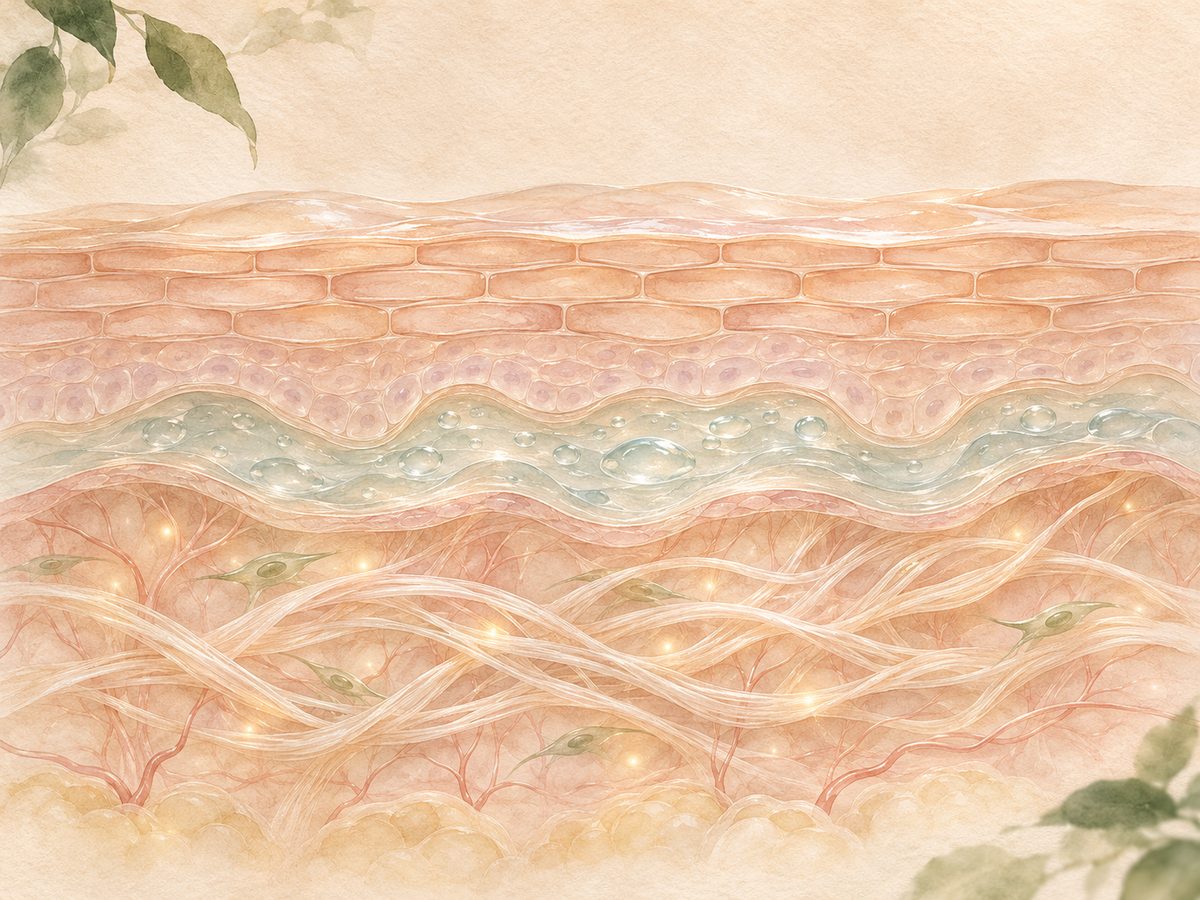
Eight principles of the ZO Skin Health protocol that Yen doctors work from when they prescribe. Not everyone needs all eight at once.
Restore the skin barrier
Rebalance water, lipids and proteins in the outer layer so the skin loses less water, flakes less and lets fewer irritants in. This comes first for skin that is red and stinging.
Stimulate cell renewal
Vitamin A (retinol, retinoic acid) wakes up cells in the epidermis and the fibroblasts in the dermis, helping the skin rebuild collagen, elastin and its natural moisturising molecules. The type and strength are raised step by step as the skin tolerates them.
Stabilise skin function
Bring cell function back to normal so treatment itself does not leave the skin sensitised, and so results last.
Control oil
Reduce excess sebum to limit acne and the inflammation that comes with it, which also helps with marks and dullness.
Calm chronic inflammation
Low-grade inflammation that drags on makes skin sensitive, prone to pigment problems, faster to age and slower to heal. Once it settles, the next treatments work better.
Use actives for the right length of time
Choose the right active at the right strength for a sensible period, so the skin responds without building tolerance or side effects. This is why some medicines are used in cycles with breaks rather than indefinitely.
Hydrate and soothe
Hydrating and calming products are added so strong actives are easier to tolerate, without weakening the treatment.
Broad-spectrum sun protection
Protection against UVA and UVB; ZO sunscreens are also formulated with high-energy visible light (HEV) and infrared-A in mind. The American Academy of Dermatology (AAD) recommends a broad-spectrum sunscreen with SPF 30 or higher.
The three steps of the protocol
Every repair protocol at Yen follows these three steps. What changes from person to person is step two: which actives, at what strength, morning or night.
-
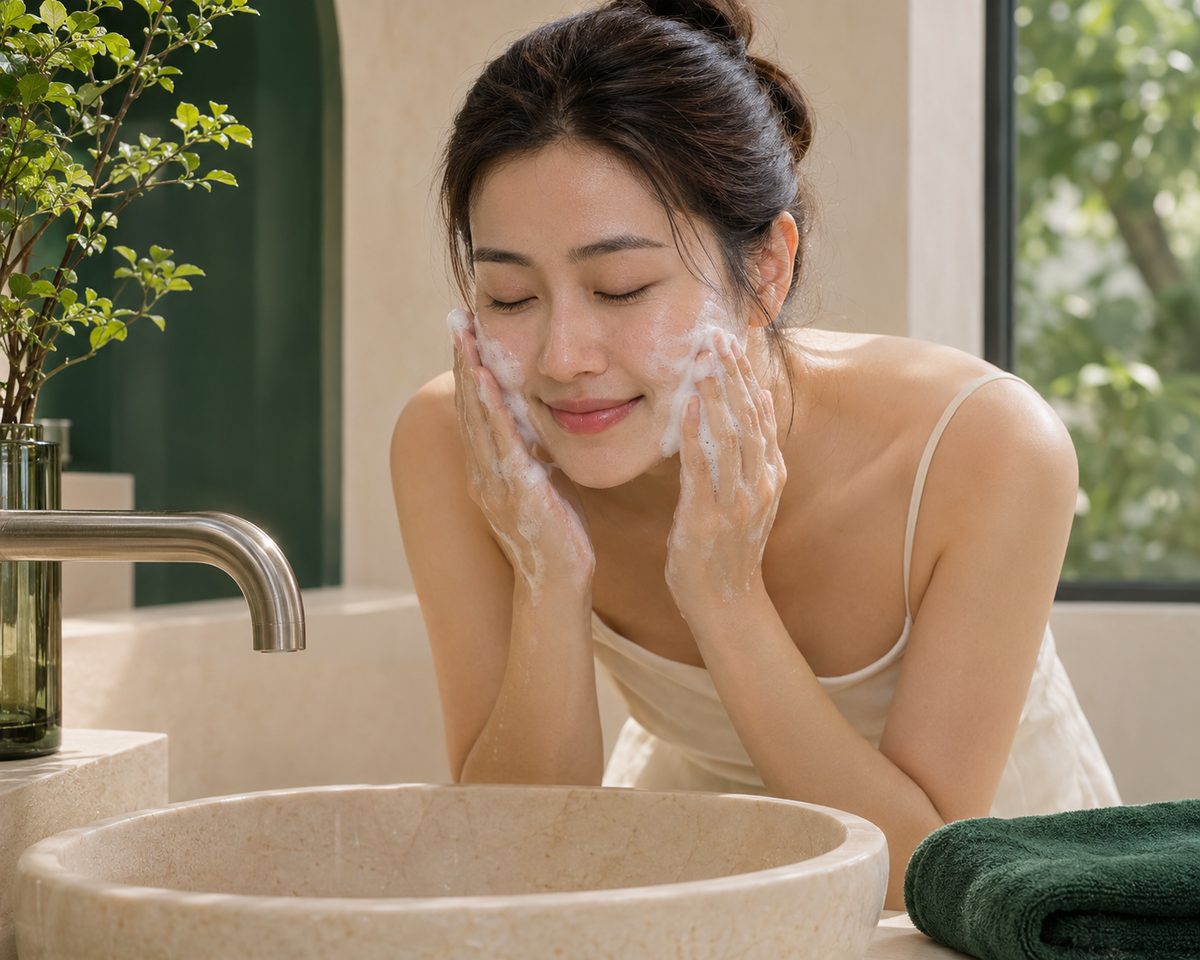
Step 1
Getting skin ready
Cleansing suited to your skin type, gentle exfoliation a few times a week and pH balancing. This brings the skin back to a normal rhythm and helps it absorb the actives in the next step. Oily, dry and sensitive skin use different cleansers and toners.
-
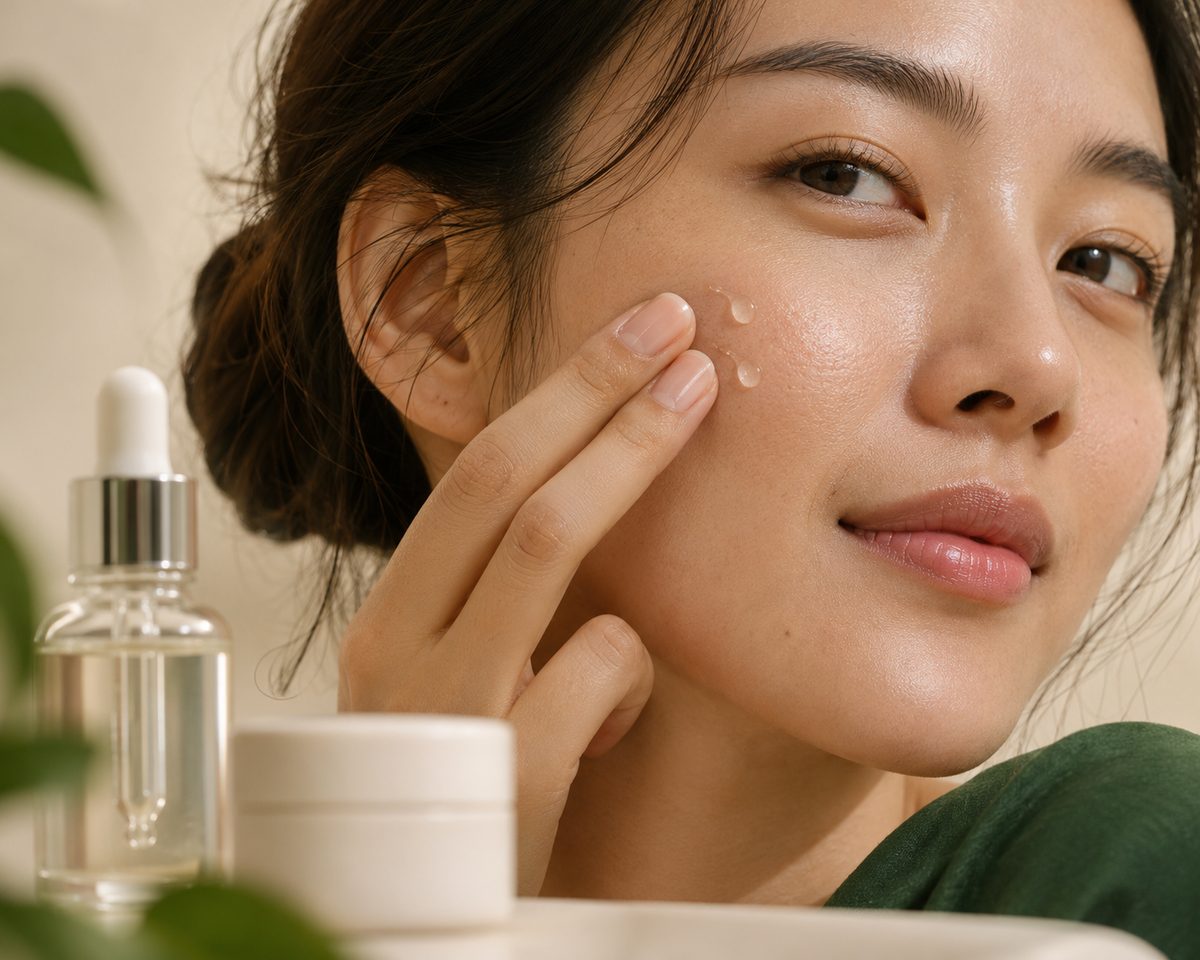
Step 2
Prevent and correct
The doctor picks the direction from your main concern: repairing sensitised skin, brightening and melasma, acne, or anti-ageing. If the skin is red and stinging, the barrier is repaired first; only then does treatment move on to pigment, acne or ageing. Strength is increased as the skin tolerates it.
-
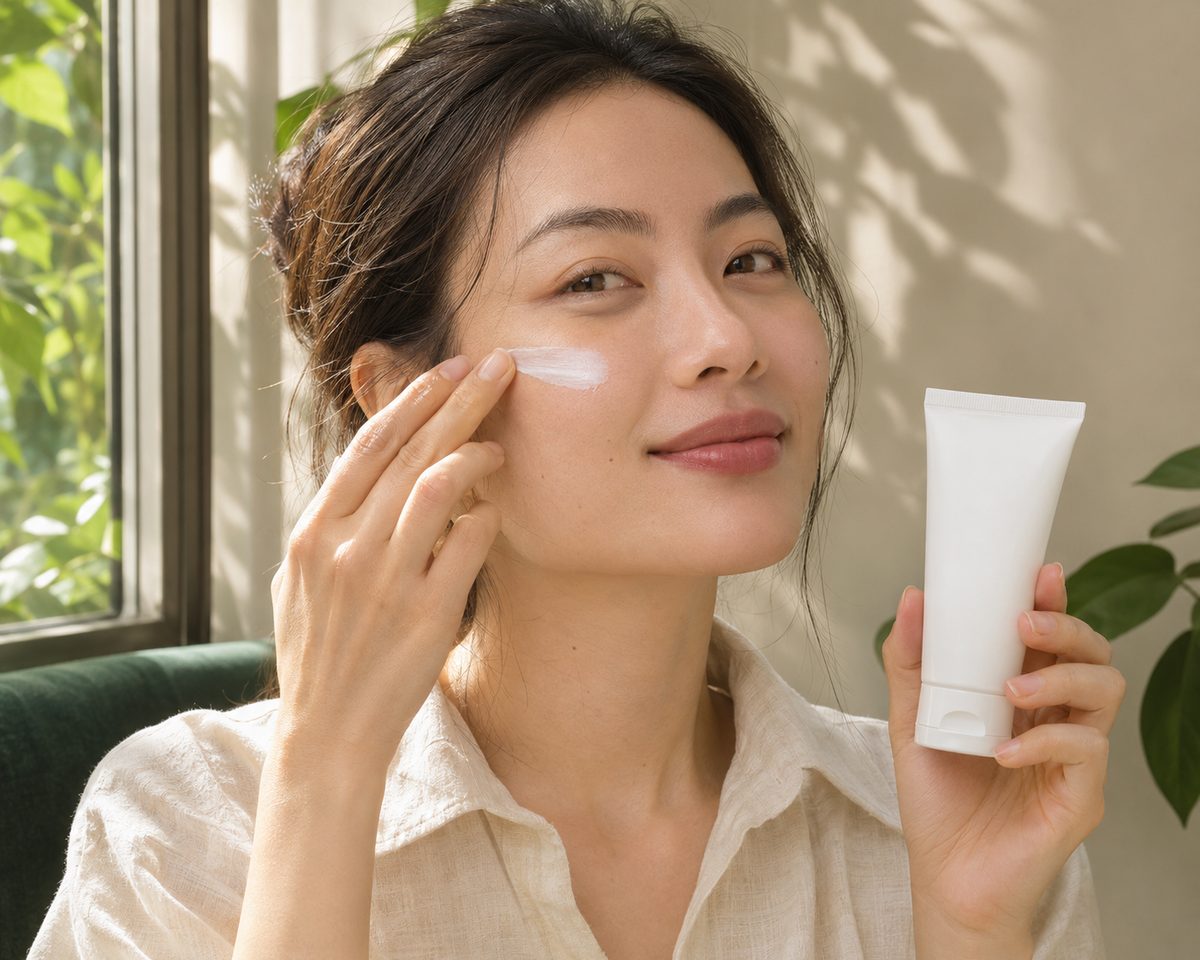
Step 3
Sun protection
The last step, and not optional. Retinoids make the skin more sun-sensitive, and sun is what brings melasma and marks back. Sensitive or post-procedure skin usually does best with a mineral sunscreen (titanium dioxide, zinc oxide).
- Mostly done at home
- Most of the protocol is applied daily at home. Clinic visits are for the doctor to check how the skin responds and adjust the prescription, or to add a procedure when needed.
Your skin will react in the first weeks
When you start vitamin A and other active ingredients, the skin often turns red, dry and flaky, and may itch or feel warm. DermNet calls this retinoid dermatitis, the most common side effect of this group of medicines. The skin around the eyes and mouth, the neck and the chest tend to react more than the face.
This is when many people give up. Yen doctors adjust rather than stop:
- lower the strength, or apply less product;
- use it 2–3 times a week at first and build up to daily;
- add a hydrating, calming cream to the protocol;
- pause for a few days before an important event; reactions usually settle after about 4 days.
Using less is more comfortable but slows the repair. Reactions fade once the skin tolerates the products. In experience with the ZO protocol, changes are usually visible after 2–6 weeks of regular use, and about 5 months of daily use gives the best result. For acne, DermNet notes that topical retinoids can take 12 weeks or longer to show improvement.
Strong medicines are used in cycles
Hydroquinone (a pigment-reducing medicine) and retinoic acid (tretinoin) are prescription medicines: effective, but not meant for indefinite use. At Yen, hydroquinone is usually used for up to about 5 months, followed by a 2–3 month break on a hydroquinone-free protocol before it is used again if needed. Retinoic acid is used for up to about 5 months and then replaced by retinol for maintenance, as retinol is gentler over the long term.
According to DermNet, twice-daily hydroquinone for three months clears or reduces pigment in about 70% of people with melasma, and it should be stopped if there is no benefit after three months. The blue-black discoloration called ochronosis occurs with high concentrations used several times a day for years. The safety of hydroquinone in pregnancy and breastfeeding has not been established, and some topical retinoids are contraindicated in pregnancy.
Repair before and after peels and lasers
For melasma, marks and scars, skin repair usually goes together with a procedure. The skin is prepared with the protocol for a few weeks before a chemical peel or laser to lower the risk of post-inflammatory darkening, and the protocol continues afterwards so the skin heals evenly. Cases in Yen’s training material combine the ZO protocol with TCA peels, Q-switched ruby laser or fractional CO2 laser, depending on the problem. See also melasma treatment and acne treatment.
Skin repair cases at Yen
Shared with our patients’ consent. Results vary from person to person.
-
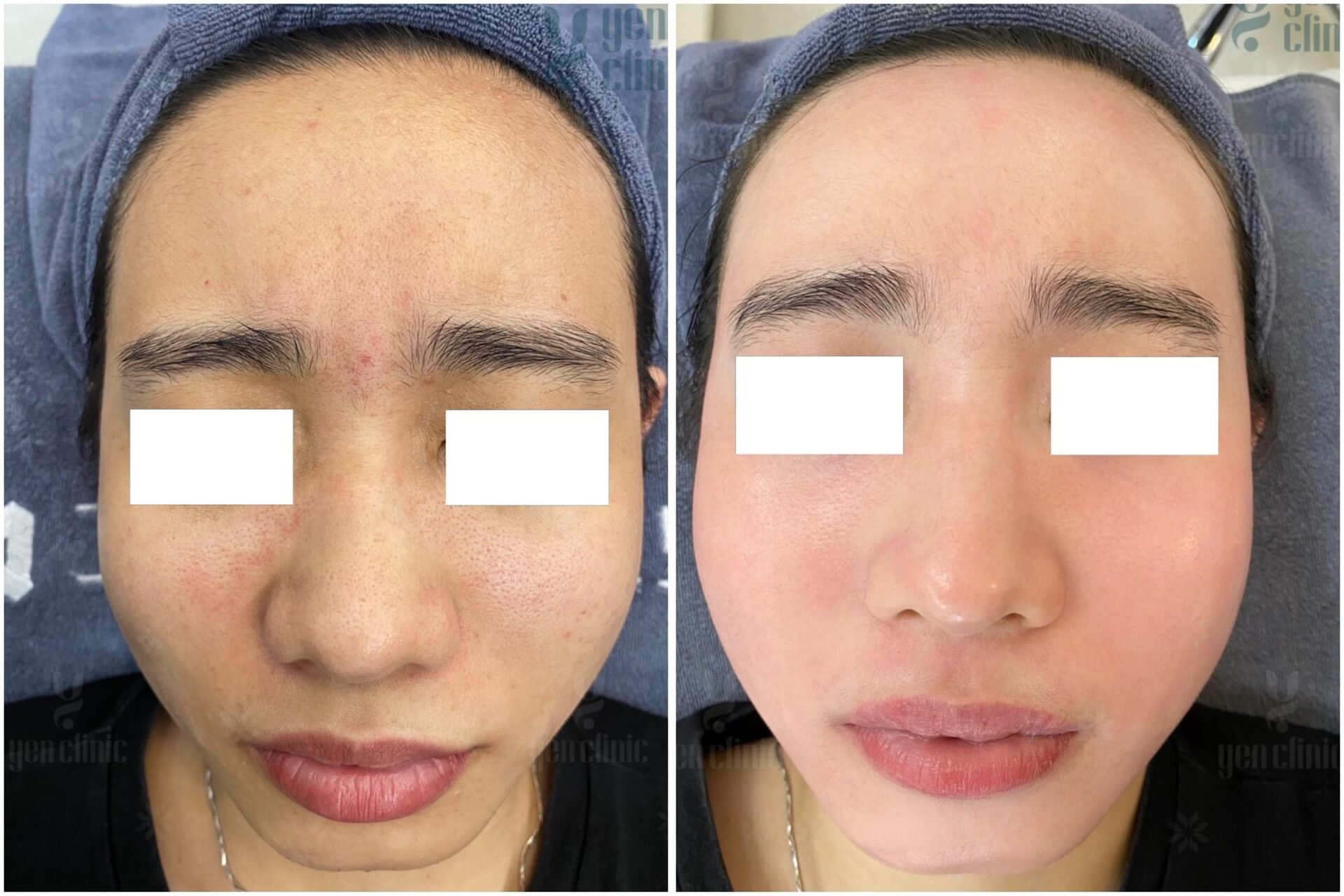 Skin recovery Restoring skin health: results after 12 weeks
A course of treatment to restore skin health, for long-lasting, all-round results. Positive results after 12 weeks for one of our young patients.
View case →
-
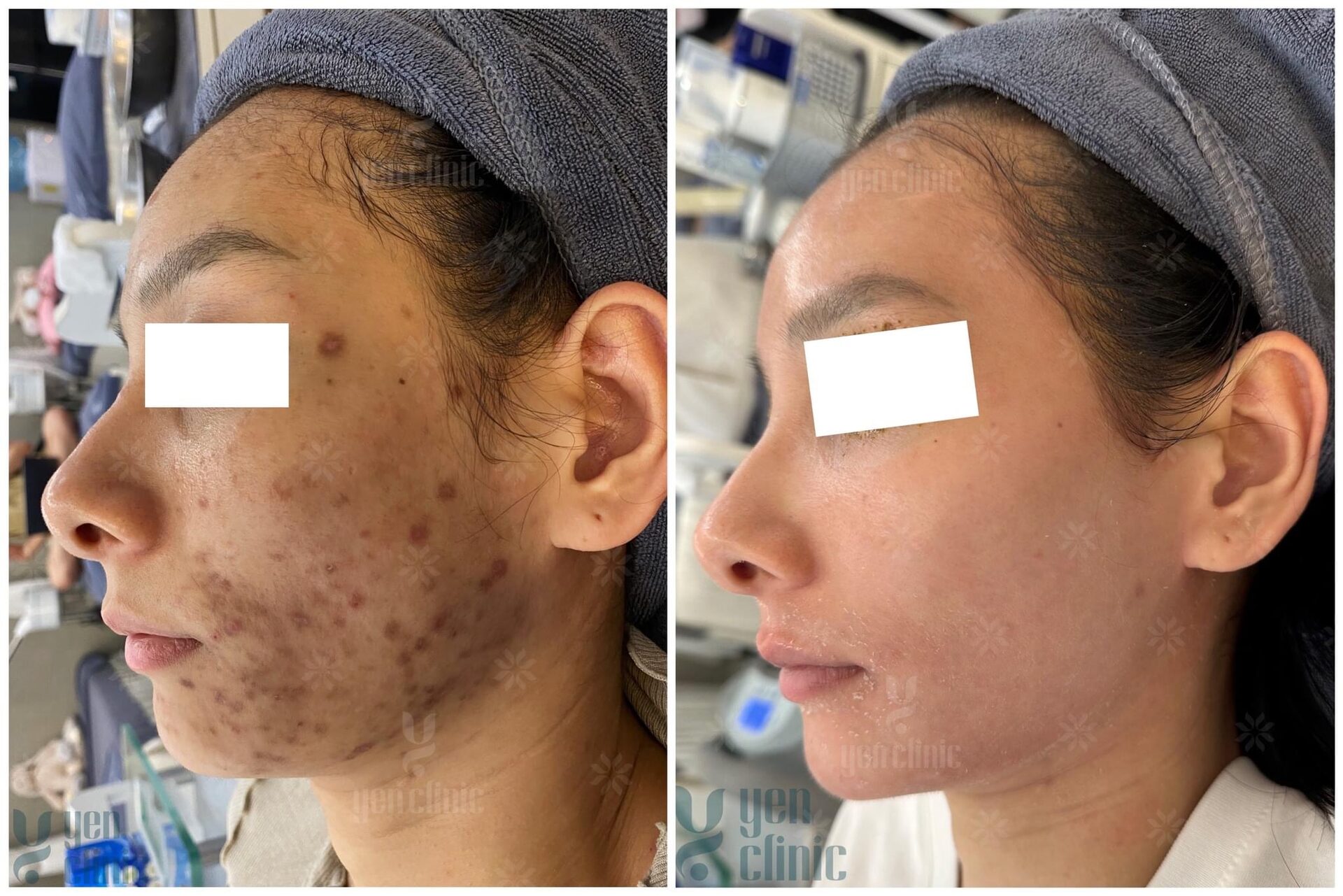 Skin recovery Rescuing skin after a treatment complication
A patient who had a complication from treatment at another clinic came to us very worried. This is the result after 7 days and just 1…
View case →
-
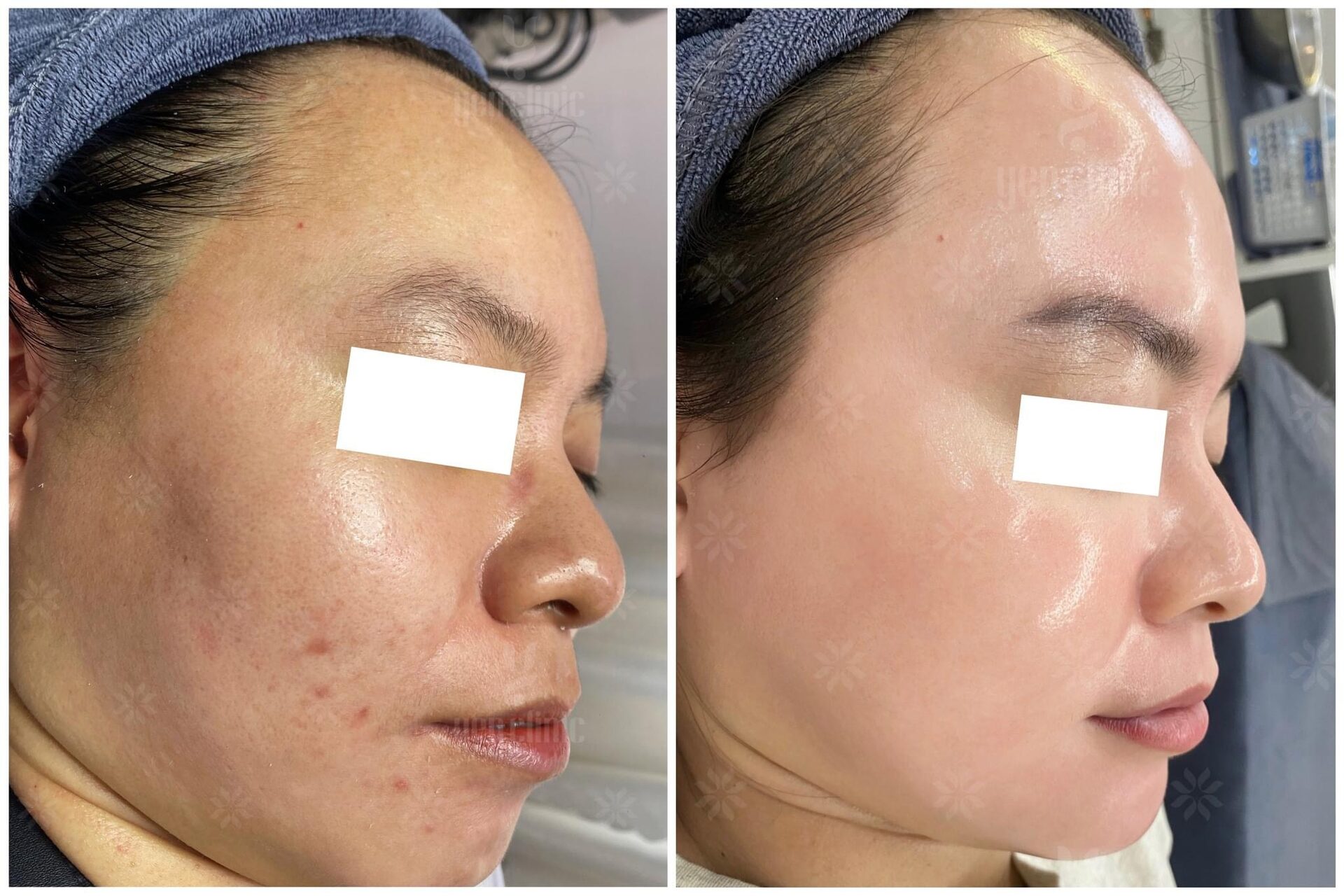 Skin recovery Sticking to your follow-up schedule to keep your skin healthy over time
After treatment, a returning patient felt their skin was almost 100% clear and stopped their maintenance skincare and follow-up visits. After 1 year, their skin had…
View case →
-
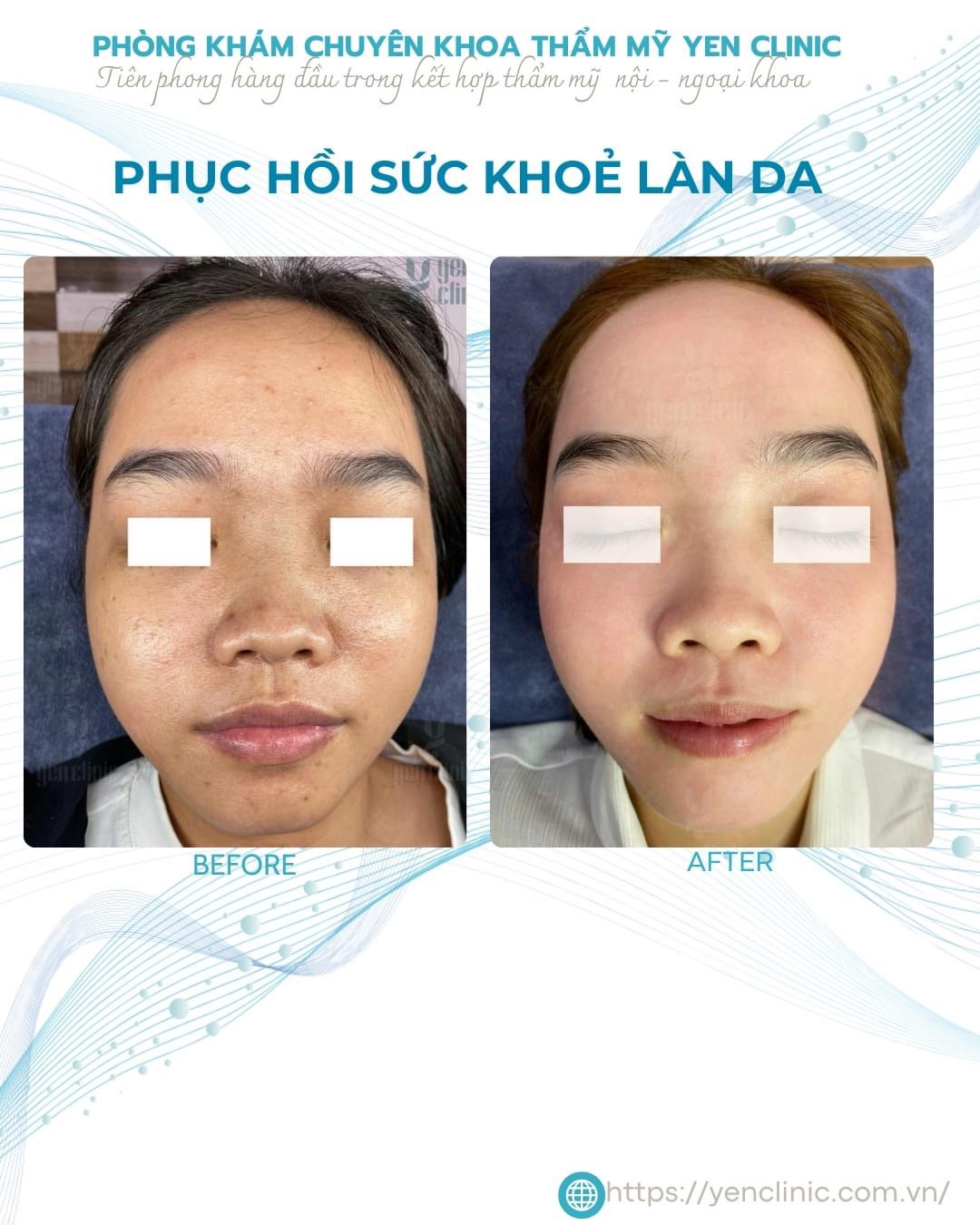 Skin recovery Restoring damaged, sensitive, inflamed oily skin with freckles and melasma
Each treatment plan is designed around the patient's budget, expectations, work and life, with a reasonable expectation of improvement. The consulting doctor usually promises modest results,…
View case →
A repair course at Yen
Skin examination
The doctor asks what products and medicines you use or have used (especially creams containing steroids), and assesses the damage and your main concern.
Prescription
Products for each step, how to apply them morning and night, and what to do if the skin reacts.
Follow-up
The doctor reviews the skin after a few weeks, raises or lowers the strength, and adds a procedure if needed.
Maintenance
Once the skin is healthy, you move to a lighter protocol to keep the result, with regular check-ups.
Cost of skin repair

The cost covers the products you use at home and any sessions at the clinic. The number of products, the actives and how long you use them depend on how damaged the skin is, so the doctor gives you a quote after the examination.
For reference, a regeneration session for damaged skin at Yen costs VND 1,800,000 (about USD 70). See our medical skincare treatments if you only need regular care.
Frequently asked questions
Question not here? Message us on Zalo and a doctor will reply.
Can a dermatologist help with a damaged skin barrier?
Yes. A dermatologist can find out what is causing the damage, treat any skin disease behind it, such as dermatitis or steroid-induced rosacea, and prescribe medicines that are not available over the counter. They also adjust the plan when the skin reacts, which is where home routines often go wrong.
Can my skin barrier heal on its own?
Mild irritation often settles once you stop the product that caused it and keep the routine gentle. Skin damaged by long-term steroid creams, or skin that stays red and stinging for weeks, usually needs treatment and should be seen by a doctor.
How long does skin repair take?
Most people notice less redness and stinging and a more even tone after 2–6 weeks of regular use. The best result takes about 5 months. Skin damaged by years of steroid creams usually takes longer.
Do I have to stop all my skincare?
Bring the products you use to your appointment and the doctor will tell you which to keep and which to stop. Usually harsh exfoliants, creams of unknown origin and stacking several strong actives have to go.
Can I follow the protocol while pregnant or breastfeeding?
The doctor will leave hydroquinone and retinoids out of your protocol. Tell the doctor if you are pregnant, planning a pregnancy or breastfeeding.
I am only in Ho Chi Minh City for a short time. Can I still start?
Yes. Most of the protocol is used at home, so the doctor can examine you, prescribe the products and follow up by message or at a later visit. Let us know your travel dates when you book.
How much does skin health restoration cost?
It depends on the number of products and how long you use them; the doctor gives a quote after the examination. A regeneration session for damaged skin at Yen costs VND 1,800,000 (about USD 70).
References5DermNet · AAD · ZO Skin Health
- DermNetHydroquinone
- DermNetTopical retinoids
- DermNetSteroid rosacea
- American Academy of Dermatology (AAD)How to select a sunscreen
- Aesthet Surg JBook review: Obagi ZE. The Art of Skin Health Restoration and Rejuvenation, 2nd ed. (2015)
Protocol: Yen Clinic doctors, based on the ZO Skin Health training material of Dr Diep Yen Linh and Dr Diep Yen Nhi. Results vary from person to person. This page is for information and does not replace a doctor’s diagnosis.